






- Navigation -
 Current Location:
NEWS DETAILS
NEWS INFORMATION
Machine Tool Castings: Key to Stress Control and Precision Machining
AUTHOR:Bozhong Tool DATE:2026-02-02 13:58:31 HITS:104
In the world of precision machining, every component plays a critical role in determining the final performance of machine tools—but none are more foundational than machine tool castings. As the core structural parts of lathes, milling machines, machining centers, and other equipment, machine tool castings bear loads, absorb vibrations, and maintain stability during high-speed, high-precision operation. Their quality directly dictates two non-negotiable factors for machine tools: stress control and machining precision. For manufacturers and buyers alike, understanding how machine tool castings enable superior stress management and precision is the key to selecting the right components, reducing downtime, and delivering consistent, high-quality machined parts. In this article, we’ll break down why machine tool castings are the backbone of stress control and precision machining, explore critical manufacturing processes, and share insights to help you choose and optimize castings for your machine tool applications.
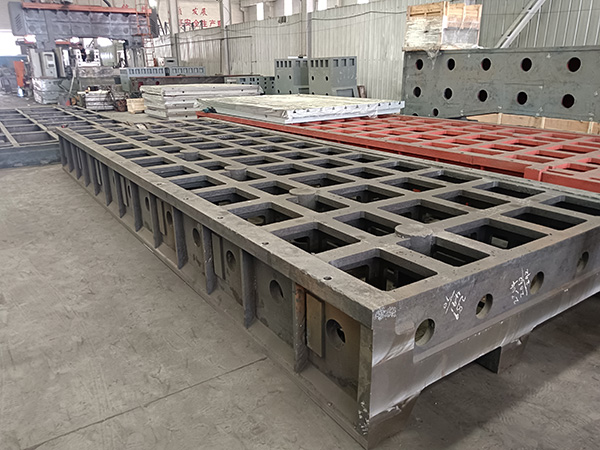
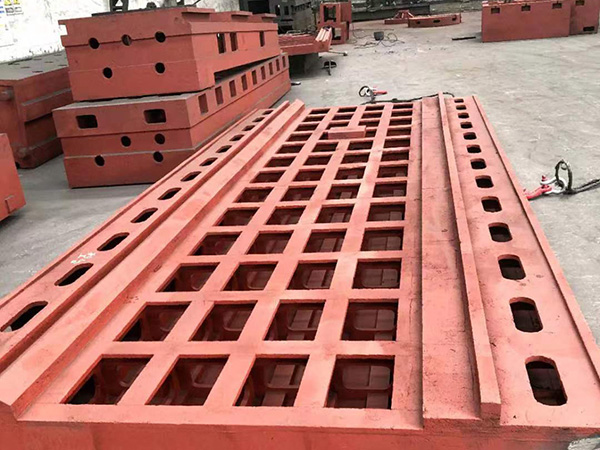
Why Machine Tool Castings Are Critical for Stress Control
Machine tools operate under extreme conditions: high rotational speeds, repeated loading, and continuous vibration. Without effective stress control, structural components can deform, crack, or wear prematurely—leading to inaccurate machining, costly repairs, and even equipment failure. Machine tool castings are engineered to address this challenge, thanks to their unique material properties and manufacturing advantages:
1. Material Composition: Designed for Stress Resistance
High-quality machine tool castings are typically made from gray cast iron (GG25, GG30), ductile iron (QT450-10, QT600-3), or alloy cast steel—materials chosen for their excellent vibration damping, high rigidity, and low thermal expansion. These materials naturally resist residual stress buildup, which occurs during casting and machining processes. Gray cast iron, for example, contains graphite flakes that act as “stress relievers,” absorbing internal tensions and preventing deformation.
2. Casting Processes: Minimizing Residual Stress
The casting process directly impacts stress levels in machine tool components. Advanced techniques like sand casting, investment casting, and lost foam casting (LFC) are optimized to reduce residual stress:
·Sand Casting: The most widely used method for machine tool castings, featuring precise mold design and controlled cooling rates to avoid uneven shrinkage (a major cause of stress).
·Heat Treatment: Post-casting heat treatment (e.g., annealing, normalizing) is critical—heating castings to 600-900°C and cooling them slowly relieves internal stress, improves material toughness, and ensures dimensional stability.
3. Structural Design: Distributing Stress Evenly
Machine tool castings (such as bed castings, column castings, and saddle castings) are designed with thickened key areas, rounded corners, and uniform wall thickness to distribute stress evenly. This prevents stress concentration (a common cause of cracks) and ensures the casting maintains its shape under heavy loads and continuous operation.
How Machine Tool Castings Enable Precision Machining
Precision machining requires machine tools to maintain micron-level accuracy—something impossible without stable, high-precision machine tool castings. Here’s how castings lay the groundwork for precise operation:
1. Dimensional Accuracy: The Foundation of Precision
High-precision casting processes (combined with post-casting machining, such as CNC milling and grinding) ensure machine tool castings meet strict dimensional tolerances (often ±0.01mm). This accuracy translates to better alignment of machine tool components (e.g., spindles, guides, and tool holders), reducing runout and improving machining precision.
2. Vibration Damping: Reducing Machining Errors
Vibration during machining is a major enemy of precision—it causes chatter marks, uneven cuts, and reduced surface finish quality. Machine tool castings (especially gray cast iron models) have excellent vibration damping properties, absorbing 3-5 times more vibration than steel components. This stability ensures consistent cutting forces and precise material removal, even at high spindle speeds.
3. Thermal Stability: Avoiding Temperature-Related Deformation
Temperature fluctuations in the workshop can cause machine tool components to expand or contract, leading to machining errors. Machine tool castings are engineered with low thermal expansion coefficients, minimizing deformation caused by heat generated during operation (e.g., from spindle rotation or cutting tools). Some high-end castings also feature heat-dissipating structures to maintain stable temperatures.
Key Considerations When Choosing Machine Tool Castings
Selecting the right machine tool castings is critical for achieving optimal stress control and precision. Here are the top factors to consider:
1. Material Selection
Choose materials based on your machine tool’s application:
·Gray cast iron: Ideal for bed castings, saddles, and other structural parts requiring high vibration damping and low cost.
·Ductile iron: Suitable for high-load components (e.g., columns, gears) due to its superior strength and toughness.
·Alloy cast steel: Used for high-precision, high-temperature machine tools (e.g., aerospace machining centers) requiring excellent wear resistance.
2. Casting Quality & Certification
Look for castings that meet international standards (e.g., ISO 9001, DIN EN 15614) and undergo strict quality inspections:
·Non-destructive testing (NDT): Ultrasonic, X-ray, or magnetic particle testing to detect internal defects (e.g., pores, cracks) that could cause stress concentration.
·Dimensional inspection: Coordinate Measuring Machine (CMM) testing to ensure compliance with tolerances.
3. Customization for Specific Applications
Every machine tool has unique requirements—work with a casting manufacturer that offers custom design and casting services. This ensures the casting’s structure, material, and heat treatment are tailored to your machine’s load capacity, speed, and precision needs.
Real-World Applications: Machine Tool Castings in Action
Machine tool castings are used in nearly every precision machining industry, from automotive and aerospace to medical devices and electronics:
·Automotive Manufacturing: Castings for CNC lathes and milling machines used to machine engine blocks, transmission parts, and brake components—requiring tight tolerances and stress resistance.
·Aerospace: High-precision castings for 5-axis machining centers, used to produce aircraft structural parts and engine components (tolerances as low as ±0.005mm).
·Medical Device Production: Castings for ultra-precision machining tools used to fabricate surgical instruments and implantable devices—where even minor errors can have serious consequences.
Final Thoughts: Invest in Quality Machine Tool Castings for Long-Term Precision
Machine tool castings are not just structural components—they are the key to unlocking consistent stress control and precision machining. By choosing high-quality castings, optimized for material, process, and design, you can extend your machine tool’s lifespan, reduce downtime, and deliver superior machined parts. Whether you’re a machine tool manufacturer looking to enhance product performance or a buyer seeking reliable components, prioritizing machine tool castings with strict stress control and precision standards is a decision that pays off in efficiency, quality, and profitability.Ready to find the perfect machine tool castings for your application? Contact our team of experts today for custom solutions, quality certifications, and competitive pricing. We specialize in high-precision castings tailored to your machine tool’s unique needs—backed by a 90% quality guarantee.
FAQs About Machine Tool Castings
Q: What is the most common material for machine tool castings?A: Gray cast iron is the most widely used, thanks to its excellent vibration damping, low cost, and stress resistance—ideal for most structural components like beds and saddles.
Q: How does heat treatment affect machine tool castings?A: Heat treatment relieves residual stress, improves material toughness, and enhances dimensional stability—critical for maintaining precision during machining.
Q: Can machine tool castings be customized?A: Yes—reputable manufacturers offer custom mold design, material selection, and heat treatment to fit your machine tool’s specific load, speed, and precision requirements.
References
GB/T 7714:Design and Optimization of Casting Process for Large Machine Tool Base. Foundry
MLA:Casting Process Design and Optimization of Machine Tool Worktable. Foundry
APA: Casting Process of Large Thin-Wall Iron Frame Base for Machine Tools. Foundry
-
Welding Table Surface Hardness — What Rockwell and Brinell Numbers Mean for Buyers
-
Welding Table Load Capacity — Understanding Static and Dynamic Ratings
-
Modular Welding Table ROI — Calculating Return on Investment for Fabrication Shops
-
Industrial Metrology Basics for Welding Fabrication — Standards, Tools, and Workflows
-
Granite Surface Plate Calibration — Frequency, Methods, and Standards
-
How to Design a Welding Fixture from Scratch — A Step-by-Step Engineering Guide
Botou Bozhong Precision Machine Tool Co., Ltd.
Copyright © 2025-2026 https://www.bozhong-weldingtable.com. All Rights Reserved Botou Bozhong Precision Machine Tool Co., Ltd.Copyright