






- Navigation -
 Current Location:
NEWS DETAILS
NEWS INFORMATION
Modular Precision Welding Jig Table Systems for Flexible Production
AUTHOR:Bozhong Tool DATE:2026-04-29 15:15:10 HITS:172
In today’s manufacturing landscape, flexibility and precision are no longer mere value-added features—they have become indispensable prerequisites for survival and development. As market demands shift toward more personalized customization and small-batch production, traditional fixed welding configurations often fail to keep pace with the dynamic production rhythm. It is in this context that modular precision welding jig table systems emerge as a game-changer, providing manufacturers with a scalable, high-precision, and highly adaptable solution to tackle various welding and fabrication challenges.
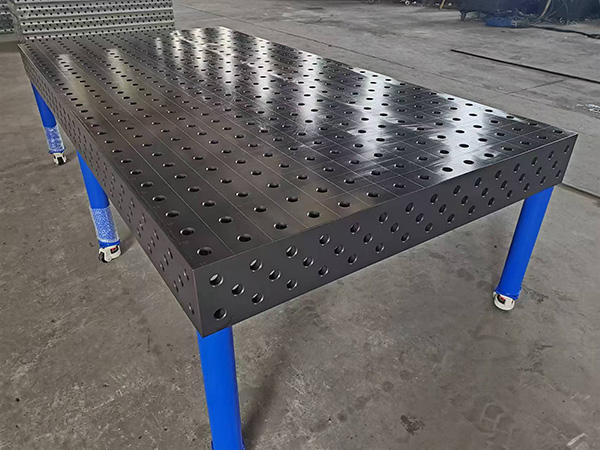
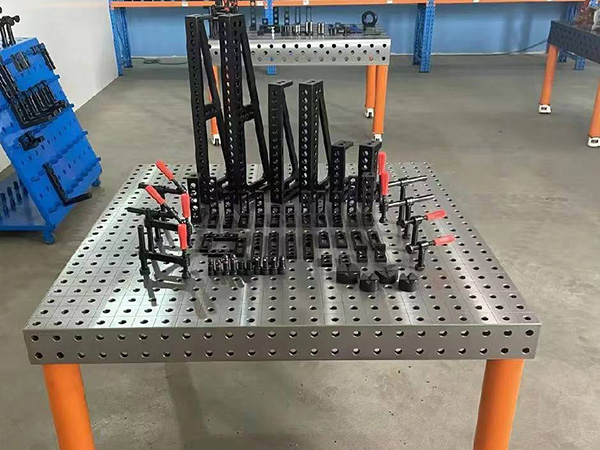
What Is a Modular Precision Welding Jig Table System?
A modular precision welding jig table system is a sophisticated welding platform characterized by a grid-based work surface and interchangeable components. Unlike conventional fixed welding tables, it enables users to freely arrange clamps, stoppers, fixtures, and other accessories in multiple positions according to the specific requirements of workpieces, realizing flexible positioning and clamping without permanent modifications. Typically, such a system comprises the following core components:
Precision-machined hole grids (16mm, 28mm, or 22mm systems are most commonly used) that serve as the foundation for flexible component assembly
Modular clamping tools and positioning accessories, including quick clamps and adjustable supports, to meet diverse workpiece fixing needs
Adjustable support structures that allow customization of table height and layout, adapting to different operation scenarios and workpiece sizes
This modular design eliminates the need for permanent reconfiguration, enabling a single table to support a wide spectrum of welding applications, from small parts processing to large structural assembly.
Why Flexibility Is Indispensable in Modern Welding Production
Today’s manufacturing environments are more dynamic and unpredictable than ever before. Most enterprises are frequently faced with the following challenges:
Small-batch production with high order diversity
Frequent product design iterations and modifications
Customized fabrication orders with unique requirements
Multi-product integrated production workflows
Traditional welding setups require repeated retooling, repositioning, and manual alignment, which not only prolongs production downtime but also reduces overall operational efficiency. In contrast, a modular welding jig table system effectively addresses these pain points through quick adjustments and repeatable setups, significantly cutting down preparation time and ensuring seamless workflow continuity.
Key Advantages of Modular Precision Welding Jig Tables
1. Exceptional Positioning Precision
The precision-machined grid layout guarantees that every fixture and clamp can be positioned with consistent repeatability, minimizing alignment errors and enhancing welding consistency across multiple production batches. The positioning hole tolerance of high-quality modular tables can be controlled within ±0.05mm, ensuring stable welding quality and reducing rework rates to less than 1% in practical applications.
2. Significantly Improved Productivity
The modular design allows operators to switch between different workpiece setups quickly without rebuilding the entire fixture system. This brings three core benefits:
Dramatically shortened setup times (some setups can be completed in 15-30 minutes)
Reduced downtime between production tasks
Higher overall production output and operational efficiency
3. Strong Adaptability and Scalability
Adaptability is one of the most prominent advantages of modular systems. Whether processing small precision parts or large structural assemblies, the system can be easily expanded or reconfigured by adding extension panels or combining multiple table modules. This versatility makes it suitable for a wide range of industries, including:
Automotive manufacturing (covering new energy vehicle battery trays, engine brackets, and door frames)
Metal fabrication workshops handling diverse custom orders
Heavy machinery production and large structural welding
Aerospace component assembly requiring high precision
4. Long-Term Cost Efficiency
Although the initial investment in a modular system may be higher than that of traditional fixed tables, it reduces long-term costs significantly by eliminating the need for multiple dedicated fixtures. One modular system can replace dozens of specialized setups, and its components are reusable, avoiding the waste of resources caused by the obsolescence of dedicated fixtures when product models change.
Core Components of a Modular System
A clear understanding of the system’s core components is crucial for selecting the right solution for your production needs:
Welding Table Surface
As the foundation of the entire system, the table surface is usually heat-treated and precision-ground to ensure excellent flatness and durability. Some high-end tables also undergo nitriding treatment to resist weld spatter and workpiece collision.
Fixture Grid Holes
A standardized hole pattern is the key to the system’s flexibility, enabling universal compatibility with various clamps and accessories. The grid lines and scales on the table surface also allow operators to quickly set up fixtures without using measuring tools.
Clamping Devices
This includes quick clamps, toggle clamps, vertical/horizontal supports, and other components, which are used to secure workpieces firmly during welding. The quick-locking design of these devices allows for rapid clamping and disassembly, further improving work efficiency.
Applications in Flexible Production Environments
1. Custom Fabrication Workshops
Ideal for workshops that handle diverse customer orders, where no two projects are identical. The modular system’s flexible configuration capability allows it to adapt to various workpiece shapes and sizes, eliminating the need for dedicated fixtures for each order.
2. Production Lines with Frequent Changeovers
Manufacturers producing multiple product types can benefit greatly from the system’s quick reconfiguration capability. For example, in automotive manufacturing, where multi-model production is common, the system can reduce changeover time by more than 80% compared to traditional setups.
3. Prototype Development
Engineers can rapidly build and test different product designs without creating dedicated fixtures for each prototype. This shortens the prototype development cycle, reduces R&D costs, and accelerates the pace of product launch.
4. Heavy-Duty Structural Welding
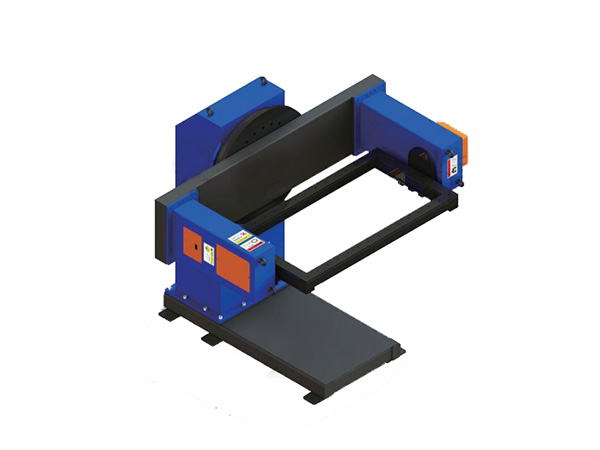
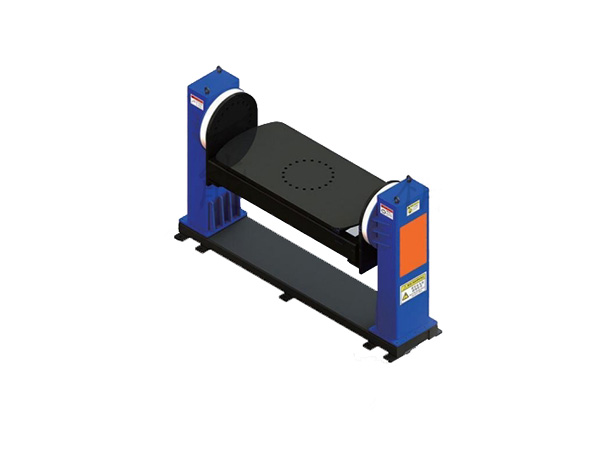
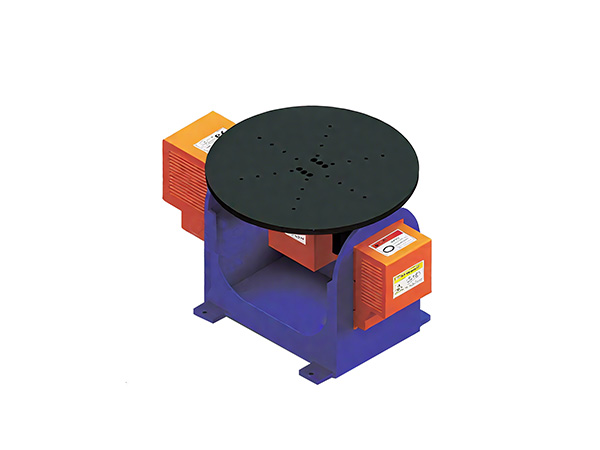
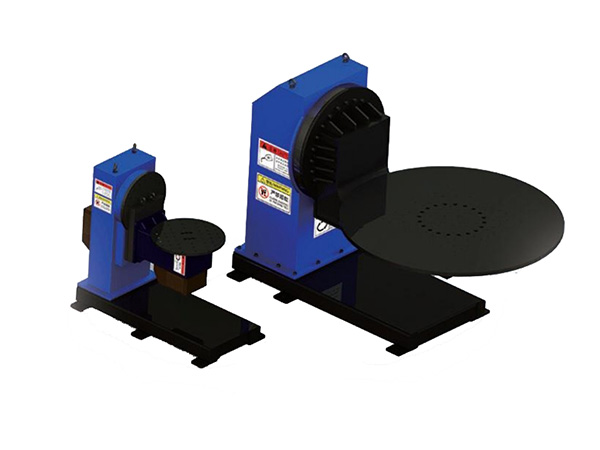
The high rigidity and stability of modular systems ensure reliable performance even when welding large steel assemblies and frames. When combined with positioners and welding robots, they can further improve welding efficiency and quality for complex large workpieces.
How to Choose the Right Modular Welding Jig Table System
When selecting a modular welding jig table system, consider the following key factors to ensure it aligns with your production needs:
Material Quality
Cast iron offers excellent vibration damping, making it suitable for precision welding tasks that require stable operation. Steel, on the other hand, provides higher flexibility and strength, ideal for scenarios that require frequent expansion and heavy load-bearing.
Hole Grid Standard
Choose a hole grid standard (16mm and 28mm are the most common) that is compatible with your existing tooling systems to avoid additional investment in new accessories.
Table Size and Load Capacity
Select the table size and load capacity based on your largest typical workpieces and maximum weight requirements. Ensure the system can handle the heaviest workpieces without deformation.
Expansion Capability
Opt for systems that support future upgrades and extensions, such as modular splicing and accessory expansion, to adapt to the growth of your production scale and changing needs.
Precision Level
Higher flatness and positioning accuracy lead to better welding consistency and reduced rework. For high-precision applications such as aerospace component welding, prioritize systems with higher precision standards.
Conclusion
Modular precision welding jig table systems represent a significant advancement in welding and fabrication technology. By integrating flexibility, precision, and durability, they enable manufacturers to adapt quickly to changing market demands while maintaining high-quality production output. For modern workshops striving to improve efficiency, reduce setup time, and lower long-term costs, investing in a modular system is not just a simple equipment upgrade—it is a long-term production strategy that supports scalable, flexible, and intelligent manufacturing. In an era where customization and small-batch production have become the norm, modular precision welding jig tables are no longer optional—they are the core driving force behind the transformation and upgrading of the welding industry.
References
GB/T 7714:Conceptual design of modular fixture for frame welding and drilling process integration: Case study—Student chair in UNS industrial engineering integrated practicum. AIP Conference Proceedings
MLA:A reconfigurable modular fixture with redundant actuation. ASME Journal of Mechanical Design and Robotics
APA:Modular Welding Tables vs. Fixed: Key Benefits, Common Pitfalls, and the Forster Advantage. Journal of Precision Welding and Fabrication
-
Welding Table Surface Hardness — What Rockwell and Brinell Numbers Mean for Buyers
-
Welding Table Load Capacity — Understanding Static and Dynamic Ratings
-
Modular Welding Table ROI — Calculating Return on Investment for Fabrication Shops
-
Industrial Metrology Basics for Welding Fabrication — Standards, Tools, and Workflows
-
Granite Surface Plate Calibration — Frequency, Methods, and Standards
-
How to Design a Welding Fixture from Scratch — A Step-by-Step Engineering Guide
Botou Bozhong Precision Machine Tool Co., Ltd.
Copyright © 2025-2026 https://www.bozhong-weldingtable.com. All Rights Reserved Botou Bozhong Precision Machine Tool Co., Ltd.Copyright