






- Navigation -
 Current Location:
NEWS DETAILS
NEWS INFORMATION
Why Calibration Certificates Matter for Cast Iron Surface Plates in Modern Production
AUTHOR:Bozhong Tool DATE:2026-02-10 14:35:44 HITS:103
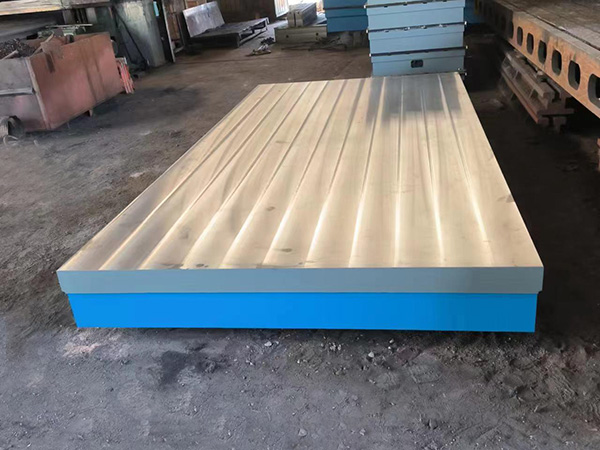
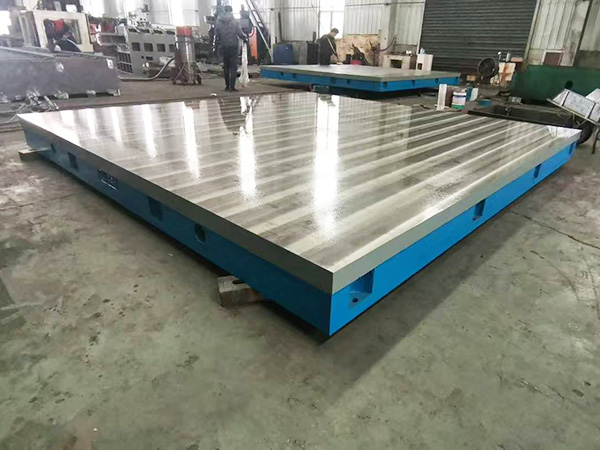
In precision manufacturing and inspection environments, accuracy is not optional—it defines product quality, efficiency, and customer trust. A Cast Iron Surface Plate is one of the most important reference tools used for measurement, layout, and inspection across many industries. For any professional Cast Iron Surface Plate manufacturer with stable production and bulk supply capability, ensuring accuracy does not stop at casting and machining. It continues through proper calibration and certification.
As production volumes increase and tolerances become tighter, workshops and factories depend on surface plates that deliver consistent, traceable flatness. This is where a calibration certificate becomes essential. It transforms a cast iron surface plate from a simple work surface into a verified precision instrument suitable for modern manufacturing and quality control systems.
What Is a Calibration Certificate?
A calibration certificate is an official document that verifies the accuracy and flatness of a measuring instrument. For a cast iron surface plate, the certificate records inspection results, measurement methods, environmental conditions, and deviation values from the nominal flatness standard.
Unlike visual inspection, calibration uses precision instruments to measure surface geometry at multiple points. The results confirm whether the surface plate meets required grades for layout and inspection work. In regulated production environments, calibration certificates also provide traceability to recognized measurement standards.
For manufacturers running batch production, having certified surface plates helps ensure consistency across different workstations and inspection areas.
Why Accuracy Matters in Cast Iron Surface Plate Production
A Cast Iron Surface Plate acts as the foundation for measurement tasks. Layout marking, component checking, alignment, and inspection all rely on the plate being flat and stable. If the surface is inaccurate, every part measured on it carries the same error.
In production environments, even small deviations can lead to:
·Assembly mismatch
·Rejected parts
·Increased rework
·Poor product consistency
Professional Cast Iron Surface Plate production focuses on controlling material stress, aging treatment, machining precision, and surface finishing. However, even with high manufacturing standards, final calibration is still required to verify real-world accuracy before use or bulk delivery.
The Role of Calibration Certificates in Quality Control
Quality systems such as ISO-based production management depend on traceable measurement tools. A calibration certificate allows manufacturers and users to demonstrate that inspection equipment is performing within acceptable limits.
With a certified cast iron surface plate, production teams gain:
·Documented flatness verification
·Measurement traceability
·Confidence in inspection results
·Compliance with internal and external audits
For bulk supply users, certificates also help standardize accuracy across multiple facilities. When many surface plates are deployed in different production lines, calibration ensures consistent performance across the entire manufacturing system.
Long-Term Stability and Wear Monitoring
Cast iron is chosen for surface plates because of its excellent vibration damping and dimensional stability. However, no surface plate remains perfect forever. Continuous loading, temperature changes, and daily use gradually affect flatness.
Calibration certificates are not only for new products. They also support long-term monitoring. Periodic recalibration helps identify:
·Surface wear
·Local deformation
·Thermal distortion
·Structural fatigue
By tracking calibration data over time, manufacturers and production managers can plan resurfacing or replacement before accuracy issues affect product quality. This proactive approach protects both equipment investment and production reliability.
Supporting High-Precision Manufacturing Environments
Modern production industries such as aerospace, machinery, tooling, and automation rely heavily on precision inspection. A Cast Iron Surface Plate often serves as the reference base for coordinate measurement, fitting, and assembly.
When calibration certificates are available, production operations benefit from:
·Reduced measurement uncertainty
·Higher assembly accuracy
·Better repeatability
·Improved customer acceptance
For a professional Cast Iron Surface Plate manufacturer, offering calibrated products strengthens supply reliability and ensures that bulk production users receive inspection tools ready for immediate integration into manufacturing systems.
Compliance, Audits, and Customer Confidence
Many manufacturing operations must meet regulatory or contractual quality requirements. During audits, inspectors often check whether measurement equipment is properly calibrated and documented.
Without calibration certificates, even a high-quality cast iron surface plate may fail compliance checks. Certificates provide:
·Proof of inspection
·Historical traceability
·Documentation for audits
·Confidence for end users
For customers sourcing surface plates in volume, documented calibration becomes a critical factor when selecting a production partner for bulk supply.
Calibration and Manufacturing Process Integration
In professional Cast Iron Surface Plate production, calibration is not an isolated step. It is integrated into manufacturing and delivery workflows.
Typical production processes include:
·Controlled casting and stress relieving
·Precision machining and scraping
·Surface finishing
·Environmental stabilization
·Final calibration and documentation
By integrating calibration into production, manufacturers ensure that each surface plate leaving the facility meets defined flatness standards. This supports consistency across batches and strengthens bulk supply performance.
Cost Efficiency and Risk Reduction
Some users see calibration as an added cost, but in reality, it reduces long-term risk. An uncertified surface plate can cause hidden measurement errors that multiply across production runs.
Calibration certificates help reduce:
·Scrap rates
·Rework costs
·Warranty claims
·Production delays
For manufacturers managing large-scale production, certified cast iron surface plates protect quality and reduce operational risk across the entire workflow.
Choosing a Certified Cast Iron Surface Plate
When selecting a surface plate, buyers should consider more than size and material. Important factors include:
·Flatness grade
·Calibration method
·Certificate documentation
·Production consistency
·Bulk supply capability of the manufacturer
A reliable Cast Iron Surface Plate manufacturer combines strong production control with professional calibration processes to deliver inspection-ready equipment for industrial users.
The Strategic Value of Calibration Certificates
Calibration certificates turn cast iron surface plates into trusted reference tools rather than simple work platforms. They connect manufacturing accuracy with inspection reliability, supporting modern quality systems and scalable production.
For growing factories and bulk users, certified surface plates provide stability in measurement and confidence in manufacturing output.
Conclusion
A Cast Iron Surface Plate plays a critical role in layout, inspection, and measurement across industrial production. However, its real value is realized only when accuracy is verified and documented. Calibration certificates ensure that surface plates meet flatness standards, support quality control, and remain reliable over long-term production use.
For any Cast Iron Surface Plate manufacturer with advanced production systems and bulk supply capability, integrating calibration into manufacturing and delivery is essential. Certified surface plates help production teams maintain precision, reduce risk, and build trust throughout the manufacturing process.
References
GB/T 7714:Taylor B N, Kuyatt C E. Guidelines for evaluating and expressing the uncertainty of NIST measurement results[M]. Gaithersburg, MD, USA: US Department of Commerce, Technology Administration, National Institute of Standards and Technology, 1994.
MLA:Taylor, Barry N., and Chris E. Kuyatt. Guidelines for evaluating and expressing the uncertainty of NIST measurement results. Vol. 1297. Gaithersburg, MD, USA: US Department of Commerce, Technology Administration, National Institute of Standards and Technology, 1994.
APA:Taylor, B. N., & Kuyatt, C. E. (1994). Guidelines for evaluating and expressing the uncertainty of NIST measurement results (Vol. 1297). Gaithersburg, MD, USA: US Department of Commerce, Technology Administration, National Institute of Standards and Technology.
-
Welding Table Surface Hardness — What Rockwell and Brinell Numbers Mean for Buyers
-
Welding Table Load Capacity — Understanding Static and Dynamic Ratings
-
Modular Welding Table ROI — Calculating Return on Investment for Fabrication Shops
-
Industrial Metrology Basics for Welding Fabrication — Standards, Tools, and Workflows
-
Granite Surface Plate Calibration — Frequency, Methods, and Standards
-
How to Design a Welding Fixture from Scratch — A Step-by-Step Engineering Guide
Botou Bozhong Precision Machine Tool Co., Ltd.
Copyright © 2025-2026 https://www.bozhong-weldingtable.com. All Rights Reserved Botou Bozhong Precision Machine Tool Co., Ltd.Copyright