






- Navigation -
 Current Location:
NEWS DETAILS
NEWS INFORMATION
Boost Your Workshop Flexibility with a Modular Welding Table
AUTHOR:Bozhong Tool DATE:2026-05-22 16:50:41 HITS:77
1. Introduction
With the rapid upgrading of industrial manufacturing and personalized metal processing demands, traditional fixed welding workbenches can no longer adapt to multi-variety and variable batch production modes. Conventional welding platforms feature fixed structures, single clamping modes and poor compatibility with special-shaped workpieces, often leading to repeated positioning, prolonged setup time and inconsistent welding accuracy. As an upgraded reconfigurable workstation, the modular welding table effectively solves the pain points of low flexibility and poor universality of traditional equipment. It has become core auxiliary equipment for modern workshop production, applicable to both professional industrial fabrication and amateur metal creation.
2. Flexible Adaptability for Complex Welding Tasks
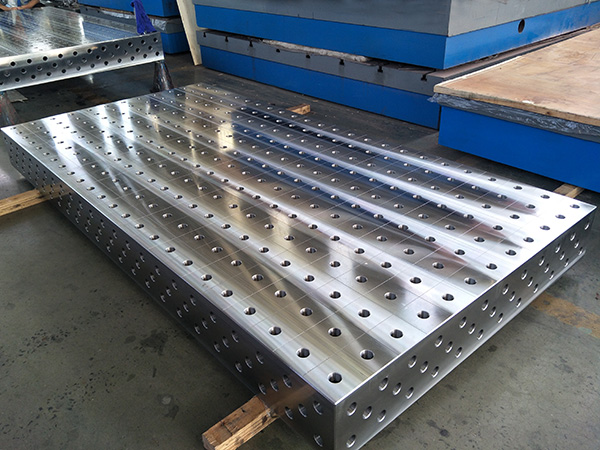
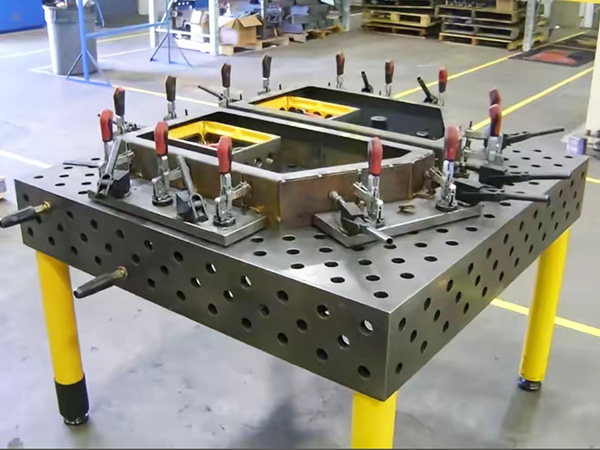
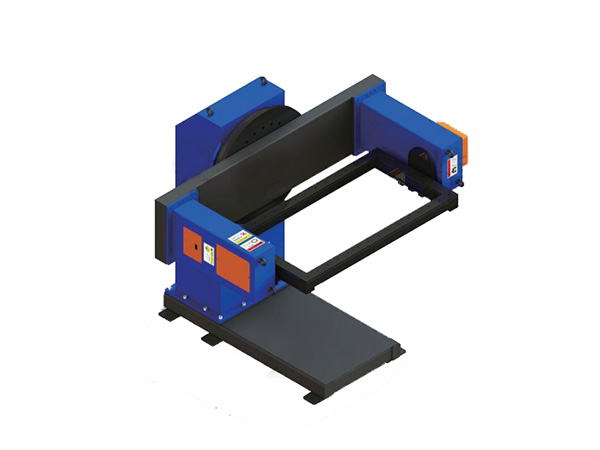
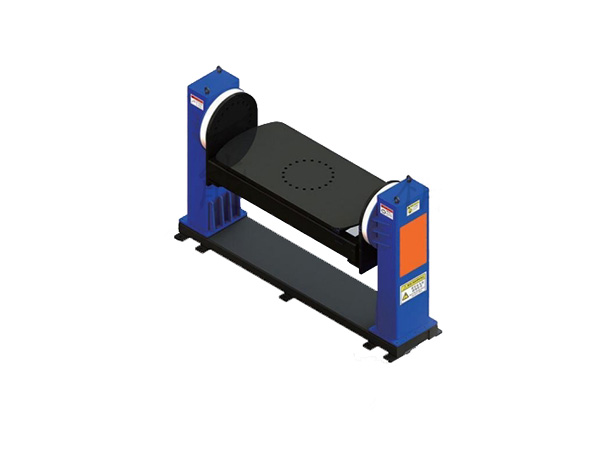
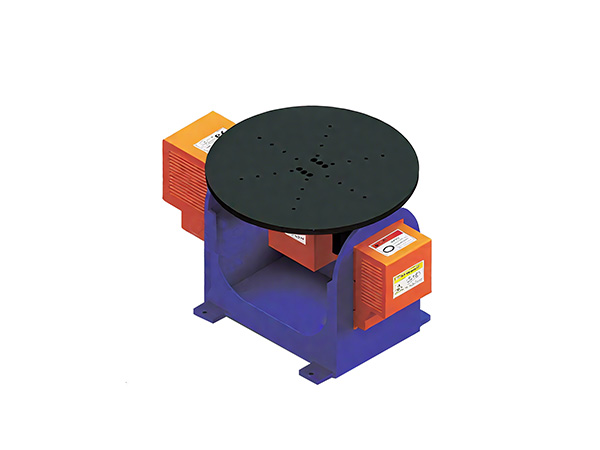
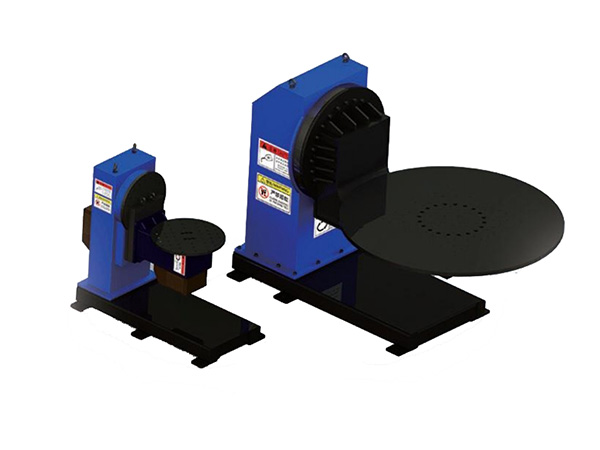
Complex structural workpieces and irregular metal components are common in modern welding projects, putting forward higher requirements for workpiece positioning and clamping systems. The core advantage of modular welding tables lies in their reconfigurable structural design. Equipped with detachable fixtures, freely adjustable clamping components and multi-directional positioning holes, the platform supports flexible layout adjustment according to workpiece size, shape and welding process requirements. Different from fixed workbenches that can only adapt to single standard parts, modular systems can quickly switch clamping schemes to cope with small-sized precision repairs, large-scale structural welding and special geometric component processing. This modular reconfiguration capability significantly optimizes operational procedures. Welders do not need to repeatedly adjust auxiliary supports or replace integral tooling, greatly reducing mold changing and positioning time. Meanwhile, the multi-point clamping design enables synchronous fixing of multiple workpieces, avoiding displacement and alignment errors caused by single-point fixation. This not only improves overall processing efficiency but also ensures consistent assembly accuracy for each batch of workpieces, which is crucial for standardized and automated welding production.
3. Structural Durability and Operational Stability
Welding operations involve harsh working conditions such as high-temperature radiation, molten metal spatter and long-term heavy load bearing, so structural stability and durability are key indicators of workstation performance. High-quality modular welding tables adopt integral thickened steel plates and reinforced support frames, with excellent high-temperature resistance and deformation resistance. Under long-term high-intensity industrial use, the tabletop remains flat without warping or structural loosening, maintaining stable mechanical performance and positioning accuracy. In addition to structural durability, the optimized mechanical design suppresses working vibration effectively. Vibration generated during welding is one of the main causes of weld deviation and defective products. The robust frame and firm clamping structure of modular platforms limit micro-displacement of workpieces during operation, realizing high-stability welding and greatly reducing product defect rates. The surface anti-spark and anti-corrosion coating further extends equipment service life, reducing long-term workshop operation costs.
4. Safety Optimization and Multi-Scenario Applicability
Workstation safety and ergonomics are important guarantees for sustainable production. The modular welding table adopts standardized clamping and positioning structures, which firmly fixes workpieces during operation and avoids safety hazards such as workpiece slipping and splashing. Compared with temporary auxiliary fixing tools in traditional welding, standardized modular fixtures feature higher stability and safety, effectively reducing operational risks. This equipment delivers excellent compatibility across diverse scenarios. For professional welding factories and automated production lines, it supports rapid switching of multiple product processes and matches the production rhythm of modern flexible manufacturing. For home workshops and amateur metal processing enthusiasts, its simple disassembly and assembly, strong expandability and stable operating performance lower the threshold of high-precision welding creation, balancing practicality and economy.
5. Conclusion
As flexible manufacturing becomes mainstream in the metalworking industry, modular welding tables have become essential workshop equipment by virtue of flexible reconfiguration, stable performance and high safety. The system effectively improves welding precision and production efficiency, reduces operational risks and equipment replacement costs, and provides reliable technical support for complex workpiece welding and automated processing. With continuous optimization of modular fixture technology, reconfigurable welding platforms will gain broader application prospects in intelligent manufacturing and personalized customized production.
References
GB/T 7714: Modular Welding Fixtures for Flexible Manufacturing Systems.Applied Mechanics and Materials
MLA:Design and Performance Analysis of Reconfigurable Modular Welding Platforms. Engineering Proceedings
APA:Optimization of Modular Welding Table Structure for Complex Workpiece Fabrication. AIP Conference Proceedings
-
Welding Table Surface Hardness — What Rockwell and Brinell Numbers Mean for Buyers
-
Welding Table Load Capacity — Understanding Static and Dynamic Ratings
-
Modular Welding Table ROI — Calculating Return on Investment for Fabrication Shops
-
Industrial Metrology Basics for Welding Fabrication — Standards, Tools, and Workflows
-
Granite Surface Plate Calibration — Frequency, Methods, and Standards
-
How to Design a Welding Fixture from Scratch — A Step-by-Step Engineering Guide
Botou Bozhong Precision Machine Tool Co., Ltd.
Copyright © 2025-2026 https://www.bozhong-weldingtable.com. All Rights Reserved Botou Bozhong Precision Machine Tool Co., Ltd.Copyright