






- Navigation -
 Current Location:
NEWS DETAILS
NEWS INFORMATION
D28 Hole System Welding Tables: Industrial Applications and Performance Benefits
AUTHOR:Bozhong Tool DATE:2026-06-20 19:31:16 HITS:95
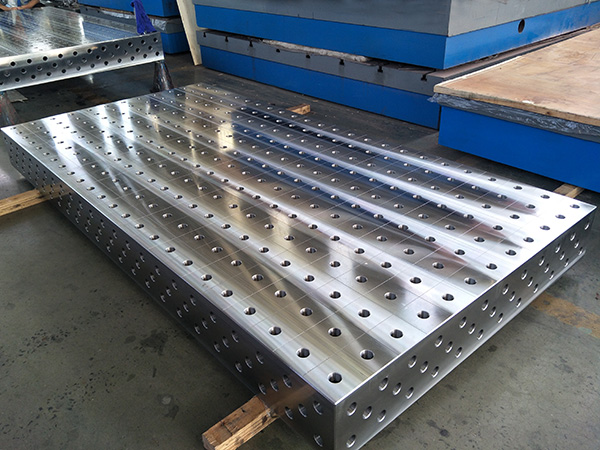
Among the various standardized hole systems used in modern welding tables, the D28 hole pattern has earned a reputation for exceptional versatility and load-bearing capability. Developed to meet the demands of heavy industrial welding, D28 hole system tables feature a 28mm grid spacing that provides an ideal balance between fixture density and structural strength. For factories and workshops handling large-scale fabrication, D28 tables offer a level of performance that smaller hole systems simply cannot match in demanding production environments.
Understanding the D28 Hole System
The D28 designation refers to the 28mm spacing between adjacent holes in the grid pattern. This standardized spacing allows operators to use a wide range of compatible fixtures, stop pins, angle plates, and clamping elements from any qualified supplier. The uniformity of the grid ensures that fixtures can be positioned with mathematical precision, eliminating the guesswork that plagued older welding setups and reducing the time required to achieve accurate workpiece positioning for each new job.
Each hole in the D28 system is designed to accept standardized components, including height stops, leveling feet, and modular jigs. This interchangeability means that investment in fixtures and accessories is long-term sound - a fixture purchased today will remain compatible with tables purchased years from now, regardless of the manufacturer. This long-term compatibility protects the factory investment and allows gradual expansion of the accessory inventory as production needs evolve and change over the years.
Superior Load-Bearing Capacity for Heavy Fabrication
The robust construction of D28 tables also means they can serve as permanent workstations rather than requiring frequent relocation or reinforcement. A quality D28 table from an experienced manufacturer will provide decades of reliable service under demanding conditions, making it a foundational piece of equipment for serious fabrication facilities that depend on consistent performance year after year without degradation in accuracy or quality.
Applications Across Key Industrial Sectors
D28 hole system welding tables are found in some of the most demanding manufacturing environments on earth. In the wind energy sector, they are used to assemble nacelle frameworks and tower sections that require absolute geometric accuracy for structural integrity. In rail and transit manufacturing, they support the fabrication of bogies, underframes, and body shells where weld quality directly impacts passenger safety and regulatory compliance with stringent quality standards.
The oil and gas industry relies on D28 tables for manufacturing pressure vessels, pipe spools, and valve assemblies that must withstand extreme operating conditions. These applications demand not just precision but also traceability - reputable manufacturers provide full material certifications and inspection reports that satisfy the most stringent quality assurance requirements imposed by industry regulators and demanding customers alike.
Streamlining Workflow in High-Volume Production
For factories running high-volume production, the D28 system offers significant workflow advantages that directly impact the bottom line and competitive position. Because all components are standardized, changeover between different product runs is fast and straightforward, minimizing downtime between jobs and maximizing the utilization of expensive welding equipment and skilled operator time.
This standardization also simplifies training for new operators and reduces the likelihood of setup errors that can compromise quality. New operators can become productive on a D28 table in a fraction of the time required to master custom jig systems. The learning curve is flatter, the margin for error is smaller, and the consistency of output improves across the entire workforce, which is particularly valuable in factories with high staff turnover or seasonal employment patterns.
Compatibility with Automation and Robotics
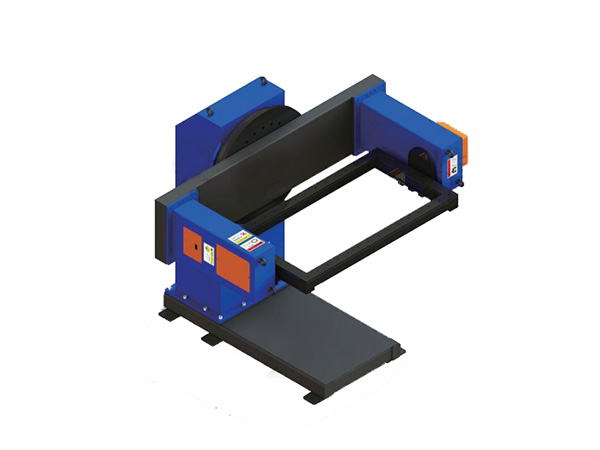
Modern fabrication increasingly incorporates robotic welding cells, and D28 hole system tables are well-positioned to integrate with these automated systems. The precise grid pattern provides reliable reference points for automated positioning systems, while the robust construction can accommodate the repeatability demands of robotic operations that require sub-millimeter precision on every single cycle to maintain quality consistency.
Some factories use D28 tables as the base platform for automated welding systems, achieving levels of consistency and throughput that were previously impossible with manual methods alone. The standardized hole pattern makes it straightforward to program robotic tool paths that reference the table grid, simplifying the integration of automation into the fabrication workflow and reducing the programming time required for each new product introduction.
Selecting a Quality D28 Table from a Trusted Manufacturer
When sourcing D28 hole system welding tables, factories should work with established manufacturers who specialize in precision tooling for industrial applications. The quality of the steel, the accuracy of the hole pattern, and the flatness of the working surface all vary significantly between suppliers and can have a substantial impact on production outcomes and quality consistency. A trusted manufacturer will provide detailed specifications, accuracy certificates, and responsive technical support to ensure that the table meets the exacting requirements of industrial fabrication over many years of demanding use.
References:
American Welding Society (AWS). Standard Welding Terms and Definitions. AWS A3.0, current edition.
ISO 6943:2015. Welding - Fatigue test for welded joints. International Organization for Standardization.
ASM International. Welding Fundamentals and Processes. ASM Handbook Vol. 6A, 2011.
ESAB. The Fabricator's Guide to Welding Table Selection. ESAB Technical Publications, 2020.
Kalpakjian, S. and Schmid, S. Manufacturing Engineering and Technology. Pearson, 7th edition, 2013.
-
D16 vs D28 Grid Systems — Choosing the Right Hole Pattern for Your Welding Table
-
Common Defects in Cast Iron Surface Plates and Practical Solutions
-
Welding Table Safety Regulations and Operator Protection Standards
-
T-Slot Tables in Industrial Manufacturing: A Complete Applications Guide
-
Machine Tool Castings: Fundamentals, Manufacturing Process, and Quality Standards
-
HT300 Cast Iron vs Q355 Steel: Choosing the Right Welding Table Material
Botou Bozhong Precision Machine Tool Co., Ltd.
Copyright © 2025-2026 https://www.bozhong-weldingtable.com. All Rights Reserved Botou Bozhong Precision Machine Tool Co., Ltd.Copyright