






- Navigation -
 Current Location:
NEWS DETAILS
NEWS INFORMATION
Machine Tool Leveling Pads and Adjustment Shims: A Practical Installation Guide
AUTHOR:Bozhong Tool DATE:2026-10-14 17:19:46 HITS:156
The least glamorous component in a machine installation is often the one that decides whether the machine performs to specification. Machine tool leveling pads and adjustment shims carry the entire weight of the machine, set its geometry relative to gravity, and — when they are wrong — silently introduce twist into a bed that was machined flat.
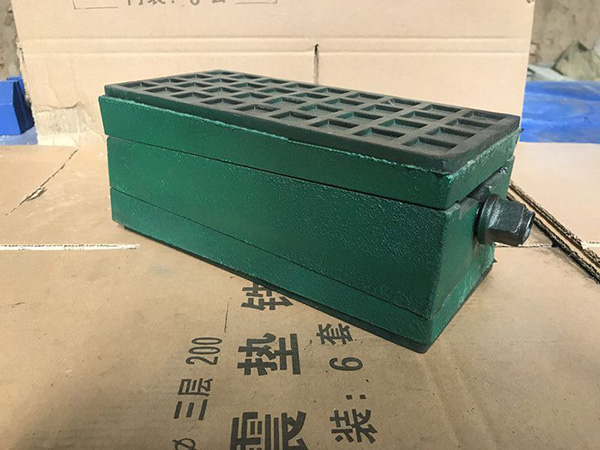
A bed that is installed in a twisted state will not hold the geometry its manufacturer built into it: guideways wear unevenly, the spindle sits out of alignment, and parts come off the machine out of square. The good news is that this is entirely preventable with a disciplined installation procedure.
1. What Leveling Pads and Shims Actually Do
Three jobs, in order of importance:
Carry the load into the foundation without crushing or settling.
Provide adjustable height so the machine can be brought to level and to the correct working height.
Allow fine correction of the machine's geometric relationship to the floor, so that the bed is supported in the condition it was machined in.
A leveling pad typically combines a base plate, an adjustable wedge or screw element, and a top surface that contacts the machine. Adjustment shims are used where a simpler, fixed pack is sufficient, or in combination with pads for the final fine height setting.
| Element | Function | Selection consideration |
|---|---|---|
| Base plate | Spreads load into the foundation | Size relative to load and floor strength |
| Adjusting wedge / screw | Provides vertical adjustment | Adjustment range, resolution, locking method |
| Top contact surface | Transfers load into the machine base | Flatness and contact area |
| Locking nut / clamping bolt | Holds the setting | Resistance to vibration loosening |
| Anchor bolt | Fixes the machine to the foundation | Embedment, torque, grouting method |
2. Preparing the Foundation
Leveling cannot compensate for a foundation that moves. Before setting any pad:
Confirm the foundation is designed for the machine's static and dynamic loads, and that the concrete has cured for the specified period.
Check the flatness and level of the foundation surface at the pad positions.
Clean the surface thoroughly; oil, dust and loose material create a compressible layer.
Mark the pad positions from the machine's support layout — not from guesswork.
Confirm the anchor bolt pattern and embedment before the machine arrives on site.
3. The Levelling Procedure
Work in a defined sequence and resist the temptation to shortcut it:
Position the machine on temporary supports or directly on the pads, roughly centred on the anchor positions.
Rough level using a machinist's level on the designated reference surfaces — usually the guideways or the table, not the outer casting.
Work in diagonals. Level across both diagonals of the bed; levelling along one axis only leaves a twist.
Tighten progressively. Bring all pads into contact evenly, in steps, checking level after each pass.
Fine level to the machine maker's tolerance, using a precision level or, for high-accuracy machines, an electronic level or autocollimator.
Anchor and grout as specified, then re-check — anchoring always changes the level.
Re-verify after grout cure and again after a short run-in period.
4. Common Mistakes and How to Avoid Them
| Mistake | Consequence | Prevention |
|---|---|---|
| Levelling along one axis only | Twisted bed, uneven guideway wear | Always check both diagonals |
| Too few support points | Sagging bed, geometry that drifts | Follow the machine maker's support layout |
| Overtightening one pad | Local distortion of the bed | Tighten progressively in stages |
| Anchoring before final levelling | Level shifts after anchoring | Anchor, then re-verify and re-adjust |
| Ignoring temperature | Readings taken on a cold or sun-warmed machine | Level at stable workshop temperature |
| No re-check after run-in | Settlement goes unnoticed | Re-verify after weeks of operation |
5. Levelling Plates, Surface Plates and Welding Platforms
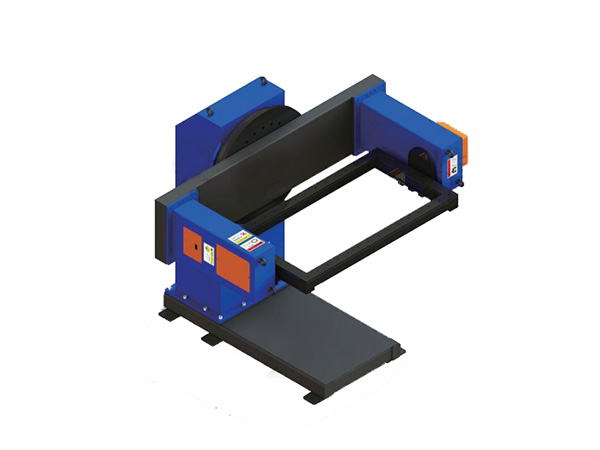
The same discipline applies to precision equipment beyond machine tools. Cast iron surface plates, T-slot base plates, motor test benches and 2D/3D flexible welding platforms all have designated support points, and all lose their certified flatness if supported or levelled incorrectly. The general rules are the same: support at the design points, level across diagonals, verify after fixing, and record the result as a baseline.
Cast iron and granite surface plates: three-point support at the designated locations, level, then verify.
T-slot plates and spliced platforms: common foundation, alignment across joints, verification after anchoring.
Welding tables: level the working surface and check that the legs or frame are carrying load evenly.
Large installations: professional installation, including scraping and lapping, is usually worth the cost.
6. Re-Verification Schedule
After installation: verify immediately, and record the readings.
After run-in (2–6 weeks): re-check; settlement usually shows up in this window.
Every 6–12 months: routine check as part of planned maintenance.
After any relocation, impact, or foundation work: full re-verification.
Whenever part quality changes unexpectedly: check level before looking elsewhere.
FAQ: Leveling Pads and Shims
How tight should the anchor bolts be?
To the machine maker's specified torque, applied in stages and in a defined sequence. Over-torque distorts the bed; under-torque allows movement. Use a calibrated torque wrench and record the values.
Can I level a machine on an ordinary workshop floor?
Light machines, sometimes. Anything heavy, precise or generating dynamic load needs a proper foundation and correctly sized pads. The floor is part of the machine's structural system, not just something it sits on.
What should I specify when ordering leveling pads?
Machine mass and support layout, load per pad, required adjustment range and resolution, anchor bolt size, foundation type and condition, and whether vibration isolation is required. Photographs of the machine base and anchor positions help enormously.
Botou Bozhong supplies machine tool leveling pads and adjustment shims along with welding platforms, cast iron and granite plates and machine tool castings, and operates a professional installation and maintenance team for on-site debugging, installation, maintenance, scraping and lapping. Machine mass, support layout, anchor size and foundation condition are enough for our engineers to specify the right leveling pads.
-
Machine Tool Leveling Pads and Adjustment Shims: A Practical Installation Guide
-
Sand Casting Parts for Machine Tools: From Pattern to Finished Casting
-
Sand Casting Parts for Machine Tools: From Pattern to Finished Casting
-
Gray Iron Castings for Machine Beds: HT200, HT250 and HT300 Material Guide
-
Granite Mechanical Components: Why Precision Machines Are Built on Marble Bases
-
Granite Surface Plate vs Cast Iron Surface Plate: Which Measuring Base Should You Specify?
Botou Bozhong Precision Machine Tool Co., Ltd.
Copyright © 2025-2026 https://www.bozhong-weldingtable.com. All Rights Reserved Botou Bozhong Precision Machine Tool Co., Ltd.Copyright