






- Navigation -
 Current Location:
NEWS DETAILS
NEWS INFORMATION
Analyzing the Costs of Machine Tool Castings Production
AUTHOR:Bozhong Tool DATE:2026-01-01 17:21:20 HITS:158
The Importance of Machine Tool Castings in Manufacturing
Machine tool castings play a crucial role in the manufacturing of precision machinery. These castings form the core structural components of machine tools, providing the stability, rigidity, and durability necessary for efficient operation. As a result, the production of machine tool castings is a significant cost factor for many manufacturers. However, understanding the key components that influence the cost of these castings can help manufacturers optimize their production processes and reduce unnecessary expenses.
In this article, we’ll delve into the various factors that contribute to the cost of machine tool castings production and how manufacturers can navigate these challenges to deliver high-quality, cost-efficient products.
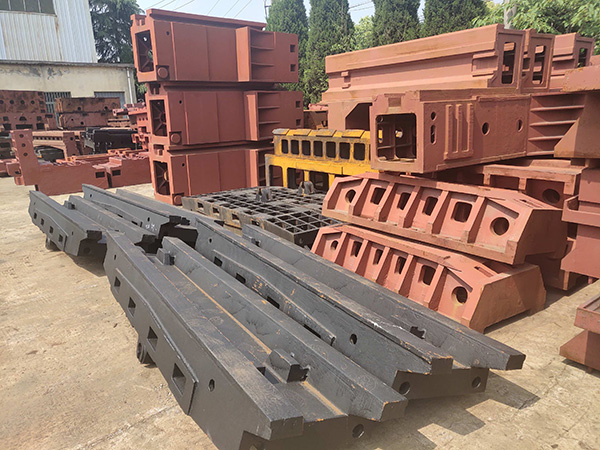
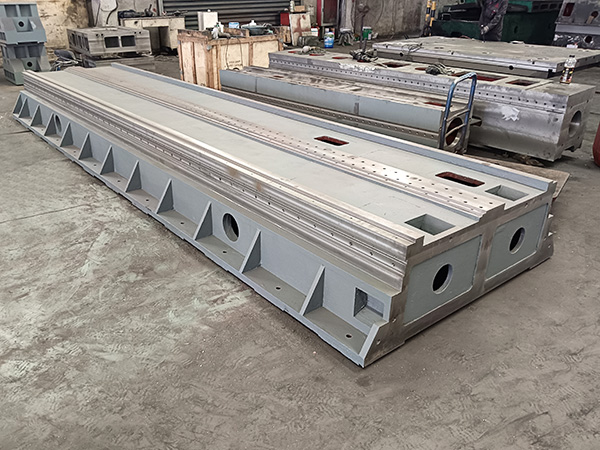
1. Materials Cost: The Foundation of Machine Tool Castings
The materials used in casting are among the most significant cost drivers in the production of machine tool castings. Cast iron and steel are the most commonly used materials due to their strength, durability, and ease of casting. However, the cost of raw materials fluctuates based on global market trends, demand, and the quality of the material.
High-Quality Raw Materials for Durability
For manufacturers producing machine tool castings, selecting high-quality materials is crucial. While high-quality cast iron or steel might come with a higher upfront cost, they offer superior mechanical properties, such as better wear resistance, thermal stability, and machinability. These attributes translate into longer-lasting products and fewer failures in the field, potentially reducing long-term costs associated with repairs or replacements.
2. Casting Process: Complexity and Labor Involvement
The casting process is another important contributor to the overall cost of production. Sand casting, die casting, and investment casting are common methods used in the production of machine tool castings, each with its own set of advantages and drawbacks.
Sand Casting: A Cost-Effective Yet Time-Consuming Process
Sand casting is often the most cost-effective option for large, complex castings. However, the labor-intensive nature of this process can lead to higher production costs. The mold preparation, core making, and post-casting treatments require skilled labor, adding to the overall expense.
Die Casting: Precision at a Higher Cost
Die casting, on the other hand, is known for its precision and ability to produce high-quality machine tool components with tight tolerances. While it is ideal for high-volume production runs, the initial setup costs for dies and molds can be significant. Thus, while die casting offers greater accuracy and surface finish, it may not be suitable for smaller production volumes due to its higher cost per unit.
3. Tooling and Machining: Enhancing Precision and Reducing Waste
Once the machine tool castings have been produced, they often undergo additional machining processes to refine their dimensions, improve surface finish, and ensure that they meet specific tolerances. The machining process includes operations such as milling, grinding, and drilling to finalize the components before they are used in the final machine tool assembly.
While machining adds value by ensuring precision, it also introduces additional costs. The complexity of the part, the size of the batch, and the level of finish required all influence the amount of labor and equipment time needed. This phase also generates material waste, which can further increase costs, especially when complex geometries are involved.
4. Labor and Overhead: The Hidden Costs in Machine Tool Castings Production
Labor and overhead costs are often overlooked but can make up a substantial portion of the overall production expenses. The number of workers required to complete each phase of the casting process, from mold preparation to final inspection, significantly impacts the cost.
Skilled Labor and Specialized Equipment
The production of machine tool castings often requires highly skilled workers familiar with casting techniques and the operation of complex machinery. Labor costs can vary based on the skill set of the workers, the location of the manufacturing facility, and the complexity of the castings being produced.
Additionally, specialized equipment such as molding machines, melting furnaces, and heat treatment furnaces require significant investment and maintenance. These costs are often included in the overhead, contributing to the overall production cost.
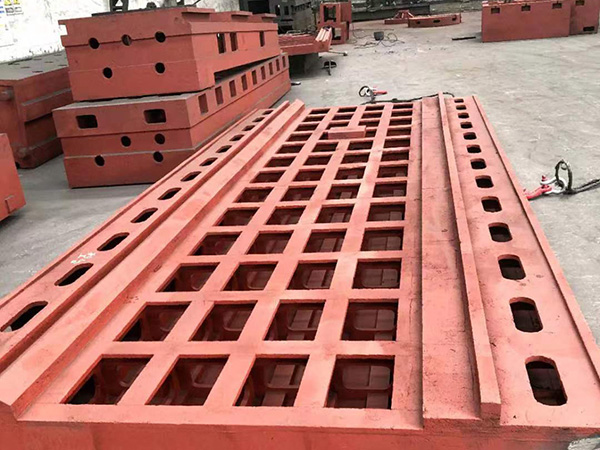
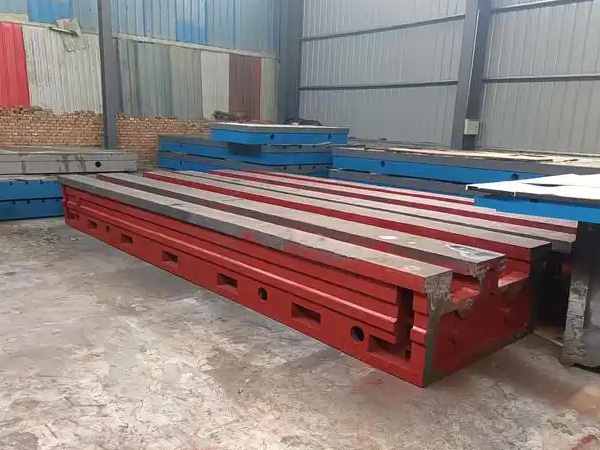
5. Quality Control and Testing: Ensuring Reliability and Performance
In industries where precision and reliability are paramount, machine tool castings must undergo rigorous quality control (QC) and testing. These steps ensure that the castings meet the required specifications for strength, hardness, and surface quality.
Non-Destructive Testing (NDT)
Testing methods such as ultrasonic testing (UT), X-ray, and magnetic particle inspection (MPI) are employed to identify any internal or surface defects in the castings. While these tests improve product reliability, they also add to the overall cost of production. However, skipping or reducing these quality control measures can lead to defective parts, resulting in warranty claims, customer dissatisfaction, and additional costs in the long run.
6. Economies of Scale: Reducing Per Unit Cost
One of the key strategies to reduce the cost of producing machine tool castings is to take advantage of economies of scale. By increasing production volumes, manufacturers can reduce the per-unit cost of castings. This is because the fixed costs associated with tooling, setup, and labor can be spread across a larger number of units, reducing the cost per casting.
However, economies of scale are most effective when producing standard, high-demand castings. For more customized or specialized parts, the cost per unit may remain high even with larger production runs.
7. Partnering with a Machine Tool Casting Manufacturer
When assessing the costs of machine tool castings production, partnering with an experienced manufacturer is crucial. A trusted machine tool casting manufacturer can offer guidance on optimizing the production process, selecting the right materials, and ensuring that quality control measures are effectively implemented. Additionally, collaborating with a reliable manufacturer enables batch production, reducing lead times and minimizing costs.
Conclusion: Maximizing Efficiency in Machine Tool Castings Production
The cost of producing machine tool castings is influenced by multiple factors, including raw materials, the casting process, machining, labor, overhead, and quality control. By understanding these factors and working closely with a skilled manufacturer, businesses can streamline production, reduce costs, and ensure that the final castings meet the necessary performance standards.
As manufacturers seek to stay competitive in the industry, optimizing the production of machine tool castings can play a crucial role in reducing expenses while maintaining high standards of quality and precision. Whether through economies of scale, investing in better technologies, or improving labor efficiency, finding the right balance is key to success in the production of these essential components.
References
GB/T 7714:Campbell J. Complete casting handbook: metal casting processes, metallurgy, techniques and design[M]. Butterworth-Heinemann, 2015.
MLA:Campbell, John. Complete casting handbook: metal casting processes, metallurgy, techniques and design. Butterworth-Heinemann, 2015.
APA:Campbell, J. (2015). Complete casting handbook: metal casting processes, metallurgy, techniques and design. Butterworth-Heinemann.
-
Welding Table Surface Hardness — What Rockwell and Brinell Numbers Mean for Buyers
-
Welding Table Load Capacity — Understanding Static and Dynamic Ratings
-
Modular Welding Table ROI — Calculating Return on Investment for Fabrication Shops
-
Industrial Metrology Basics for Welding Fabrication — Standards, Tools, and Workflows
-
Granite Surface Plate Calibration — Frequency, Methods, and Standards
-
How to Design a Welding Fixture from Scratch — A Step-by-Step Engineering Guide
Botou Bozhong Precision Machine Tool Co., Ltd.
Copyright © 2025-2026 https://www.bozhong-weldingtable.com. All Rights Reserved Botou Bozhong Precision Machine Tool Co., Ltd.Copyright