






- Navigation -
 Current Location:
NEWS DETAILS
NEWS INFORMATION
Regulations and Tips for Importing Cast Iron Surface Plates
AUTHOR:Bozhong Tool DATE:2025-12-22 09:09:57 HITS:57
Importing Cast Iron Surface Plates in a Global Market
As precision measurement and industrial inspection continue to expand worldwide, the demand for Cast Iron Surface Plate products has grown steadily. These components are essential in metrology, machining, and quality control environments where flatness and stability are critical. For buyers sourcing internationally, understanding the regulations and best practices for importing cast iron surface plates is essential to avoid delays, compliance issues, and quality risks.
From a manufacturer and production-oriented perspective, successful importing is not only about logistics but also about selecting suppliers with proven production capacity and experience in bulk supply. This article provides a comprehensive overview of regulatory considerations and practical tips for importing cast iron surface plates efficiently.
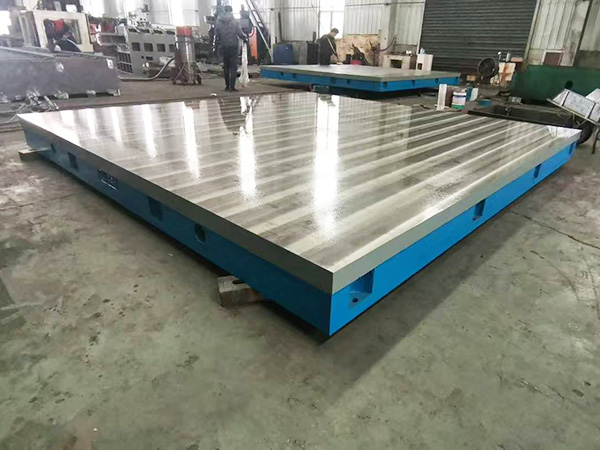
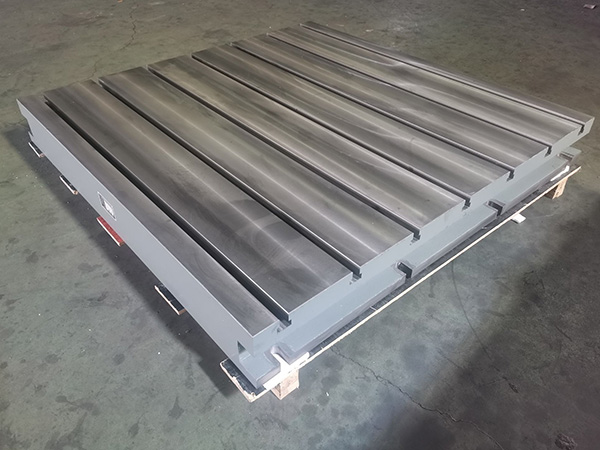
What Is a Cast Iron Surface Plate?
A cast iron surface plate is a precision-machined reference surface used for inspection, layout, and calibration tasks. Compared to alternative materials, cast iron offers excellent vibration damping, durability, and wear resistance, making it suitable for industrial environments.
Cast iron surface plates are commonly used in:
·Machine shops
·Metrology laboratories
·Tool rooms
·Production inspection lines
Because these products are precision components, their manufacturing and inspection processes are subject to strict quality expectations.
Key Regulations to Consider When Importing
Product Standards and Specifications
When importing cast iron surface plates, buyers should verify compliance with applicable dimensional and flatness standards. These standards define allowable tolerances and inspection methods.
Manufacturers with structured production systems typically document:
·Flatness grades
·Material specifications
·Inspection procedures
Ensuring these documents are available before shipment helps prevent disputes and non-compliance issues.
Customs and Import Classification
Cast iron surface plates must be correctly classified under harmonized tariff systems. Accurate classification affects:
·Import duties
·Customs clearance time
·Regulatory inspections
Working with an experienced manufacturer familiar with export documentation reduces the risk of misclassification and shipment delays.
Packaging and Handling Regulations
Due to their weight and precision surfaces, cast iron surface plates require compliant packaging for international transport. Regulations and best practices often include:
·Shock-resistant wooden crates
·Moisture protection
·Surface corrosion prevention
Production-scale manufacturers usually standardize packaging solutions suitable for bulk shipments.
Quality Documentation and Traceability
One of the most important aspects of importing cast iron surface plates is documentation. Reliable manufacturers provide:
·Material certificates
·Inspection reports
·Production batch records
These documents support traceability and simplify customs inspections, especially for buyers importing in large quantities.
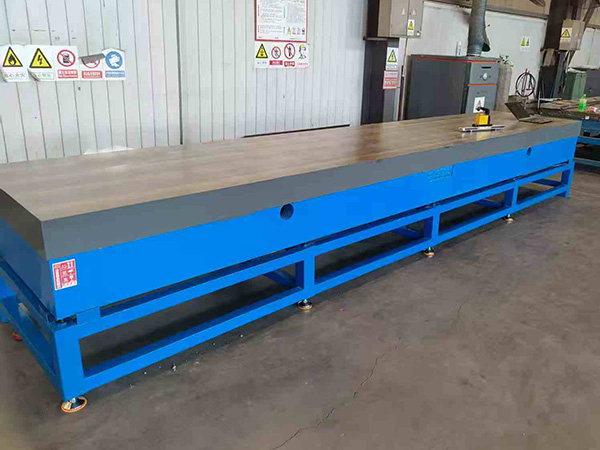
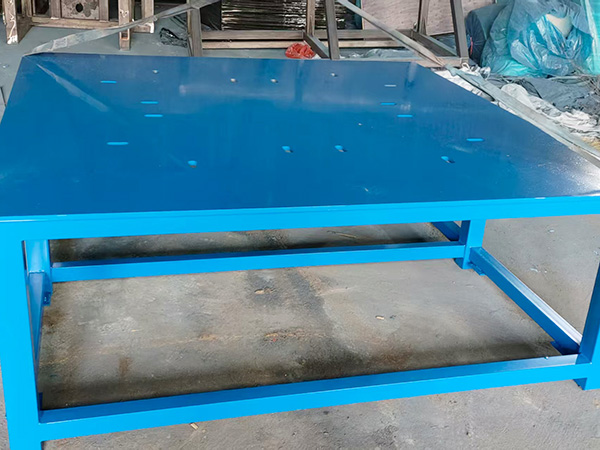
Tips for Selecting the Right Manufacturer
Choosing the right Cast Iron Surface Plate manufacturer is critical for import success. Buyers should evaluate suppliers based on:
·Production capacity and machining capability
·Experience with bulk export orders
·Quality control systems
·Ability to customize sizes and grades
Manufacturers with in-house production and inspection facilities are better positioned to ensure consistent quality across multiple shipments.
Managing Bulk Supply and Lead Times
Importing cast iron surface plates often involves bulk orders to optimize shipping costs. Production planning plays a key role in meeting delivery schedules.
Tips for managing bulk supply include:
·Confirming production lead times in advance
·Aligning inspection schedules with shipment dates
·Planning buffer inventory for large projects
A production-driven manufacturer can coordinate casting, machining, and inspection efficiently to support stable supply.
Risk Management and Pre-Shipment Inspection
To reduce import risks, buyers are encouraged to conduct pre-shipment inspections. These inspections may include:
·Flatness verification
·Visual surface checks
·Packaging review
Manufacturers accustomed to international production standards often cooperate with third-party inspectors to facilitate smooth imports.
Logistics Considerations for Heavy Precision Components
Cast iron surface plates are heavy and sensitive to impact. Logistics planning should account for:
·Appropriate lifting methods
·Secure container loading
·Transit time and route selection
Experienced manufacturers that regularly handle bulk exports understand these logistical challenges and design production packaging accordingly.
Common Mistakes to Avoid
Importers sometimes encounter issues due to:
·Incomplete technical specifications
·Lack of quality documentation
·Choosing suppliers without export experience
Avoiding these mistakes starts with selecting a manufacturer that integrates production, quality, and export processes into a single supply system.
Conclusion: A Structured Approach to Importing Cast Iron Surface Plates
Importing Cast Iron Surface Plate products requires careful attention to regulations, documentation, and supplier capability. Beyond compliance, working with a manufacturer that emphasizes controlled production and bulk supply efficiency can significantly reduce risk and improve long-term sourcing outcomes.
At both the beginning and end of the supply chain, a production-focused cast iron surface plate manufacturer provides the stability, consistency, and technical support needed for successful international imports. With the right preparation and partnerships, importing cast iron surface plates can be a streamlined and reliable process.
References
GB/T 7714:Jiang X J. Paradigm shifts in surface metrology: an angural lecture[M]. Royal Society Publishing, 2007.
MLA:Jiang, Xiangqian Jane. Paradigm shifts in surface metrology: an angural lecture. Royal Society Publishing, 2007.
APA:Jiang, X. J. (2007). Paradigm shifts in surface metrology: an angural lecture. Royal Society Publishing.
-
Welding Table Surface Hardness — What Rockwell and Brinell Numbers Mean for Buyers
-
Welding Table Load Capacity — Understanding Static and Dynamic Ratings
-
Modular Welding Table ROI — Calculating Return on Investment for Fabrication Shops
-
Industrial Metrology Basics for Welding Fabrication — Standards, Tools, and Workflows
-
Granite Surface Plate Calibration — Frequency, Methods, and Standards
-
How to Design a Welding Fixture from Scratch — A Step-by-Step Engineering Guide
Botou Bozhong Precision Machine Tool Co., Ltd.
Copyright © 2025-2026 https://www.bozhong-weldingtable.com. All Rights Reserved Botou Bozhong Precision Machine Tool Co., Ltd.Copyright