






- Navigation -
 Current Location:
NEWS DETAILS
NEWS INFORMATION
Environmental Aspects of Granite Platform Recycling
AUTHOR:Bozhong Tool DATE:2025-12-17 16:29:37 HITS:165
Granite Platform Recycling in Modern Manufacturing
As sustainability becomes a core concern across industrial sectors, the recycling and reuse of granite platform materials has gained increasing attention. Granite platforms are widely used in precision measurement, inspection, and industrial calibration environments due to their stability and durability. However, their long service life also raises important questions about environmental impact at the end of production and usage cycles.
From a manufacturer and production perspective, granite platform recycling is not merely a disposal issue—it is a strategic component of responsible industrial supply. Understanding how granite platforms are produced, reused, and recycled helps buyers align procurement decisions with environmental goals.
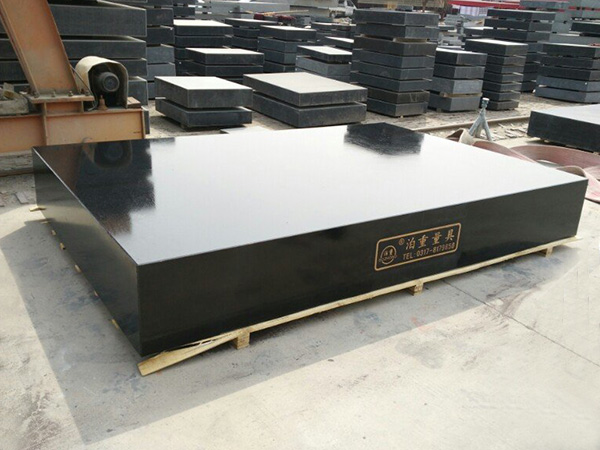
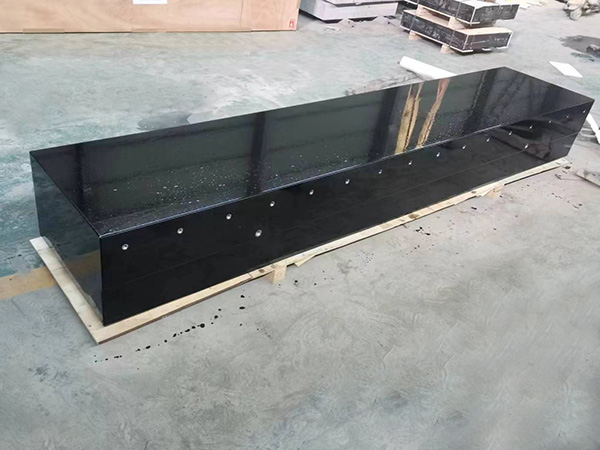
What Is a Granite Platform and Why Recycling Matters
A granite platform is typically manufactured from natural granite blocks processed into high-precision flat surfaces. The extraction and production stages require significant energy, machinery, and material handling. As a result, extending the lifecycle of granite platforms through recycling and reuse can substantially reduce environmental burden.
Recycling matters because:
·Granite is a finite natural resource
·Quarrying impacts land and ecosystems
·Production consumes energy and water
·Disposal without reuse leads to material waste
By focusing on recycling, manufacturers can reduce raw material dependency and improve overall production efficiency.
Environmental Impact of Granite Platform Production
The environmental footprint of granite platform production begins at the quarry and continues through cutting, grinding, lapping, and inspection. Professional granite platform manufacturers increasingly optimize production processes to minimize waste and emissions.
Key environmental considerations include:
·Efficient stone cutting to reduce offcuts
·Recycling granite slurry generated during grinding
·Water filtration and reuse systems
·Energy-efficient production equipment
Batch production allows manufacturers to better control these variables, leading to lower per-unit environmental impact.
Recycling and Reconditioning of Granite Platforms
Granite platform recycling does not always mean complete material reprocessing. In many cases, platforms can be reconditioned rather than discarded. This process may include:
·Surface re-lapping and re-polishing
·Dimensional correction
·Structural inspection
·Re-certification for industrial use
·Reconditioning extends service life and avoids the environmental cost of producing a new granite platform from raw stone. For industrial users, this approach supports sustainability without sacrificing precision or reliability.
Material Recovery and Secondary Use
When granite platforms reach the end of their usable life, material recovery becomes essential. Recycled granite can be processed into:
·Aggregate for construction applications
·Base materials for infrastructure projects
·Secondary industrial stone products
From a manufacturing standpoint, integrating recycled granite into secondary production streams reduces landfill use and supports circular material flow.
Role of the Manufacturer in Sustainable Recycling
The responsibility for environmentally sound granite platform recycling often begins with the manufacturer. Production-oriented manufacturers can design platforms with recyclability in mind by:
·Standardizing dimensions
·Avoiding unnecessary composite bonding
·Using recyclable packaging materials
·Offering take-back or refurbishment programs
Manufacturers with bulk supply capabilities are particularly well-positioned to implement these practices consistently across large production volumes.
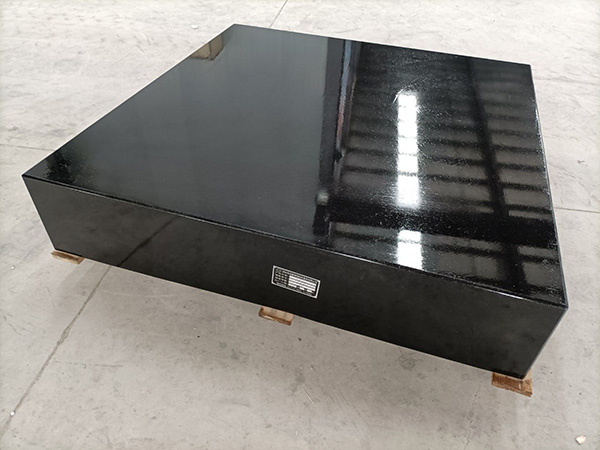
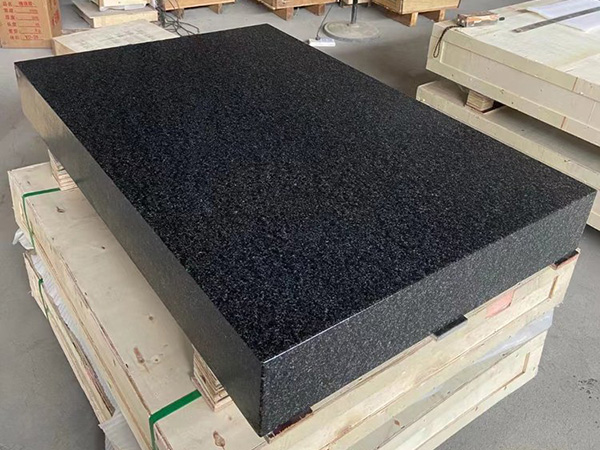
Benefits of Bulk Production and Centralized Recycling
Centralized production and bulk supply of granite platforms offer environmental advantages. Large-scale manufacturers can:
·Consolidate recycling logistics
·Reduce transportation emissions per unit
·Implement standardized recycling protocols
·Invest in specialized recycling equipment
This production-scale approach ensures that granite platform recycling is systematic rather than ad hoc, improving environmental outcomes across the supply chain.
Environmental Compliance and Industrial Standards
Many granite platform manufacturers align their production and recycling practices with environmental management standards. These frameworks encourage:
·Waste tracking and reporting
·Resource efficiency in production
·Continuous improvement in recycling processes
Compliance not only supports environmental protection but also enhances transparency and trust for industrial buyers seeking responsible suppliers.
Market Trends Driving Granite Platform Recycling
Several market forces are accelerating interest in granite platform recycling:
·Increased focus on sustainable manufacturing
·Customer demand for environmentally responsible suppliers
·Rising costs of raw granite extraction
·Regulatory pressure on waste reduction
As a result, recycling is becoming an integral part of granite platform production strategies rather than an afterthought.
Conclusion: Recycling as a Core Part of Granite Platform Sustainability
The environmental aspects of granite platform recycling extend far beyond waste management. From quarrying and production to refurbishment and secondary use, every stage presents opportunities to reduce environmental impact.
By working with a granite platform manufacturer that emphasizes controlled production, bulk supply efficiency, and responsible recycling practices, buyers can support sustainability while maintaining industrial performance standards. At both the beginning and end of the supply chain, granite platform recycling represents a practical and effective step toward more environmentally conscious manufacturing.
References
GB/T 7714:Langer W. Sustainability of aggregates in construction[M]//Sustainability of construction materials. Woodhead Publishing, 2016: 181-207.
MLA:Langer, W. "Sustainability of aggregates in construction." Sustainability of construction materials. Woodhead Publishing, 2016. 181-207.
APA:Langer, W. (2016). Sustainability of aggregates in construction. In Sustainability of construction materials (pp. 181-207). Woodhead Publishing.
-
Welding Table Surface Hardness — What Rockwell and Brinell Numbers Mean for Buyers
-
Welding Table Load Capacity — Understanding Static and Dynamic Ratings
-
Modular Welding Table ROI — Calculating Return on Investment for Fabrication Shops
-
Industrial Metrology Basics for Welding Fabrication — Standards, Tools, and Workflows
-
Granite Surface Plate Calibration — Frequency, Methods, and Standards
-
How to Design a Welding Fixture from Scratch — A Step-by-Step Engineering Guide
Botou Bozhong Precision Machine Tool Co., Ltd.
Copyright © 2025-2026 https://www.bozhong-weldingtable.com. All Rights Reserved Botou Bozhong Precision Machine Tool Co., Ltd.Copyright