






- Navigation -
 Current Location:
NEWS DETAILS
NEWS INFORMATION
How to Troubleshoot Measurement Errors on Granite Platforms
AUTHOR:Bozhong Tool DATE:2026-01-08 16:59:37 HITS:146
Why Measurement Accuracy Matters on Granite Platforms
Precision measurement depends on a stable and reliable reference surface. A granite platform is widely used in inspection rooms, quality labs, and production environments because of its excellent flatness, thermal stability, and wear resistance. However, even the most carefully manufactured granite platform can produce inaccurate readings if certain conditions are overlooked.
Measurement errors are often not caused by the granite itself, but by environmental factors, improper handling, surface contamination, or incorrect usage. Understanding how to systematically troubleshoot these issues is essential for maintaining reliable measurement results.
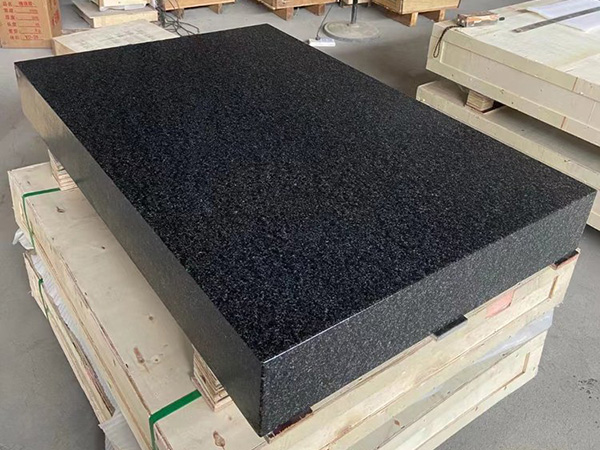
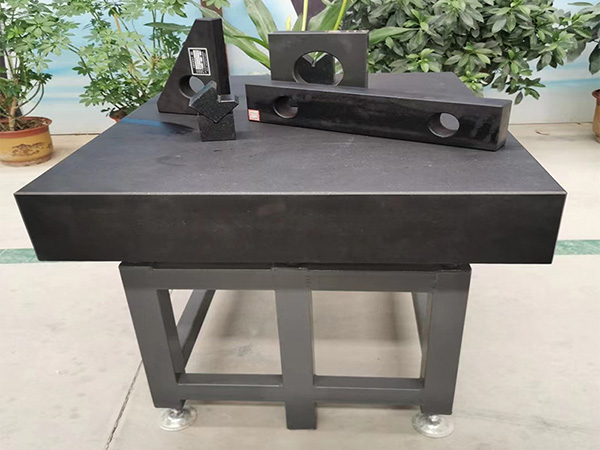
Understanding the Role of a Granite Platform in Measurement
A granite platform serves as a reference datum for dimensional inspection, layout work, and calibration tasks. Its stability allows inspectors to compare parts against a known flat surface.
From a manufacturer perspective, granite platforms are produced under controlled conditions to ensure material uniformity and flatness. During production, strict quality checks are applied before platforms are released for industrial use. However, once the platform enters daily operation, external factors become the primary source of measurement deviation.
Common Causes of Measurement Errors
Before troubleshooting, it is important to recognize the most common sources of error associated with granite platforms:
·Surface contamination such as dust, oil, or metal chips
·Temperature variation between the platform and measured parts
·Improper support or uneven installation
·Wear or surface damage over time
·Outdated or incorrect calibration
Each of these factors can affect measurement accuracy in subtle but significant ways.
Inspecting Surface Cleanliness and Condition
The first step in troubleshooting measurement errors is inspecting the granite platform surface. Even small debris trapped between the platform and the workpiece can introduce noticeable deviations.
Cleaning should be performed using appropriate granite cleaners and lint-free cloths. Avoid abrasive materials that may damage the surface. Regular visual inspection helps identify scratches, chips, or localized wear that could affect readings.
A clean and well-maintained granite platform provides a consistent contact surface, reducing random measurement variation.
Evaluating Environmental Influences
Environmental conditions play a major role in measurement accuracy. Granite platforms are sensitive to temperature gradients, even though granite has low thermal expansion.
Key environmental factors to evaluate include:
·Ambient temperature fluctuations
·Airflow from HVAC systems
·Direct sunlight exposure
·Vibrations from nearby machinery
Allowing both the granite platform and the workpiece to stabilize at the same temperature before measurement is essential. Measurement rooms should maintain controlled conditions to minimize external influences.
Checking Installation and Support
Improper installation is a frequently overlooked source of error. A granite platform must be supported at designated points to prevent distortion caused by uneven loading.
If the platform is not level or supported correctly, internal stresses may alter surface flatness. Periodic checks using precision levels or electronic leveling tools help ensure the platform remains properly positioned.
Correct support is especially important in facilities handling bulk supply inspection workflows, where platforms are subjected to frequent loading and unloading.
Reviewing Calibration Status
Calibration verifies that the granite platform meets specified flatness tolerances. Over time, wear and environmental exposure can cause gradual deviation from original specifications.
Troubleshooting measurement errors should always include reviewing the platform’s calibration history. If calibration is overdue or results show increasing deviation, recalibration is recommended.
Maintaining a regular calibration schedule supports traceability and ensures continued confidence in measurement results.
Identifying Operator-Related Errors
Not all measurement errors originate from the granite platform itself. Operator technique can significantly influence results.
Common operator-related issues include:
·Applying uneven pressure during measurement
·Using damaged or uncalibrated measuring instruments
·Inconsistent measurement procedures
Standardizing measurement methods and providing regular training help reduce variability introduced by human factors.
Comparing Granite Platform Performance Over Time
Tracking measurement results over time helps identify gradual changes in platform performance. Consistent trends may indicate surface wear or environmental shifts rather than random error.
By documenting inspection outcomes and correlating them with platform usage, quality teams can detect issues early and plan maintenance proactively.
Preventive Maintenance Practices
Preventive maintenance is one of the most effective ways to reduce measurement errors on a granite platform. Recommended practices include:
·Daily surface cleaning
·Weekly visual inspections
·Scheduled calibration checks
·Controlled environmental conditions
These steps help preserve surface integrity and extend the usable life of the platform.
When to Consider Resurfacing or Replacement
If troubleshooting efforts fail to resolve persistent measurement errors, resurfacing or replacement may be necessary. Resurfacing restores flatness by removing a controlled layer of material, while replacement ensures compliance with updated accuracy requirements.
Decision-making should consider measurement tolerance needs, platform usage intensity, and long-term inspection demands.
Conclusion: Maintaining Reliable Measurements on Granite Platforms
Troubleshooting measurement errors on a granite platform requires a systematic approach that considers surface condition, environment, installation, calibration, and operator practices. Most errors can be traced to external factors rather than material defects.
By implementing consistent maintenance routines and monitoring platform performance over time, manufacturers and inspection teams can ensure reliable measurement results and long-term accuracy. A well-maintained granite platform remains a dependable foundation for precision measurement in demanding industrial environments.
References
GB/T 7714:Doebelin E O, Manik D N. Measurement systems: application and design[J]. 2007.
MLA:Doebelin, Ernest O., and Dhanesh N. Manik. "Measurement systems: application and design." (2007).
APA:Doebelin, E. O., & Manik, D. N. (2007). Measurement systems: application and design.
-
Welding Table Surface Hardness — What Rockwell and Brinell Numbers Mean for Buyers
-
Welding Table Load Capacity — Understanding Static and Dynamic Ratings
-
Modular Welding Table ROI — Calculating Return on Investment for Fabrication Shops
-
Industrial Metrology Basics for Welding Fabrication — Standards, Tools, and Workflows
-
Granite Surface Plate Calibration — Frequency, Methods, and Standards
-
How to Design a Welding Fixture from Scratch — A Step-by-Step Engineering Guide
Botou Bozhong Precision Machine Tool Co., Ltd.
Copyright © 2025-2026 https://www.bozhong-weldingtable.com. All Rights Reserved Botou Bozhong Precision Machine Tool Co., Ltd.Copyright