






- Navigation -
 Current Location:
NEWS DETAILS
NEWS INFORMATION
Testing Methods for Machine Tool Castings Materials
AUTHOR:Bozhong Tool DATE:2026-01-09 17:20:55 HITS:71
Why Testing Machine Tool Castings Matters
Machine tools rely on stable, rigid, and vibration-resistant structures to achieve precision machining. At the core of these structures are machine tool castings, which form the foundation of lathes, milling machines, machining centers, and grinding equipment. The performance of a machine tool is directly influenced by the quality of its castings material.
To ensure dimensional stability, mechanical strength, and long-term reliability, machine tool castings must undergo systematic testing throughout the manufacturing process. Proper testing not only verifies material properties but also supports consistent performance in demanding industrial environments.
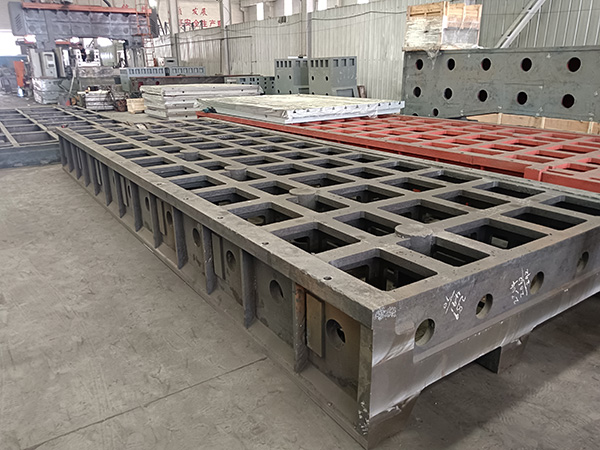
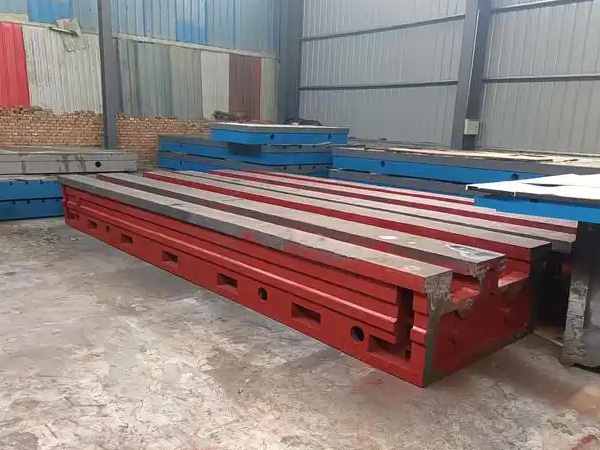
Understanding Machine Tool Castings Materials
Machine tool castings are typically produced from gray cast iron, ductile iron, or specialized alloy cast iron. These materials are selected for their excellent damping capacity, compressive strength, and resistance to deformation under load.
From a manufacturer standpoint, material selection and verification are critical steps during production, especially when supplying machine tool castings in large quantities. Testing ensures that each batch meets structural and functional requirements before machining and assembly.
Chemical Composition Analysis
Chemical composition testing is one of the first steps in evaluating machine tool castings materials. This process confirms that the alloy elements fall within specified ranges.
Common methods include:
·Spectrometric analysis
·Optical emission spectroscopy (OES)
·Carbon and sulfur analysis
These tests help verify carbon content, silicon levels, and alloy additions that directly influence strength, hardness, and damping behavior.
Mechanical Properties Testing
Mechanical testing evaluates how machine tool castings respond to applied forces. These tests provide measurable data on material strength and durability.
Key mechanical tests include:
·Tensile strength testing
·Compressive strength testing
·Hardness testing (Brinell or Rockwell)
Results from these tests help ensure that the casting material can withstand operational loads without cracking or permanent deformation.
Microstructure Examination
Microstructural analysis plays a vital role in assessing the internal quality of machine tool castings. The distribution and shape of graphite, as well as the matrix structure, directly affect mechanical performance.
Common examination methods include:
·Optical microscopy
·Metallographic sample preparation
·Image analysis
Uniform microstructure indicates controlled solidification and consistent material properties across the casting.
Dimensional Stability and Aging Tests
Dimensional stability is critical for machine tool accuracy. Castings that change shape over time can compromise machining precision.
Testing methods for stability include:
·Natural aging observation
·Thermal aging cycles
·Residual stress evaluation
These tests help identify internal stresses and confirm that the casting will maintain its geometry during long-term use.
Non-Destructive Testing (NDT)
Non-destructive testing allows inspection of internal and surface defects without damaging the casting. This is especially important for large machine tool castings.
Common NDT methods include:
·Ultrasonic testing
·Magnetic particle inspection
·Dye penetrant testing
NDT helps detect cracks, porosity, and inclusions that could affect structural integrity.
Vibration Damping Evaluation
One of the key advantages of machine tool castings is their ability to absorb vibration. Testing vibration damping performance helps predict machining accuracy and surface finish quality.
Damping tests typically involve:
·Modal analysis
·Dynamic response measurement
·Resonance frequency evaluation
Castings with superior damping characteristics contribute to reduced chatter and improved machining stability.
Surface Quality and Machinability Testing
Before machining, surface quality inspection ensures that the casting is suitable for further processing. Surface defects can increase tool wear and machining costs.
Testing methods include:
·Visual inspection
·Surface roughness measurement
·Machinability trials
These evaluations support efficient downstream machining operations.
Quality Control in Mass Production
In facilities focused on bulk supply of machine tool castings, standardized testing protocols are essential. Sampling plans, statistical process control, and documented test results help maintain consistent quality across production batches.
Integrated testing systems allow early detection of deviations, reducing scrap rates and ensuring reliable delivery to machine tool builders.
Comparing Testing Requirements by Application
Different machine tool components require different testing emphasis. For example:
·Machine beds prioritize vibration damping and stability
·Columns focus on compressive strength
·Bases emphasize structural integrity and flatness
Tailoring testing methods to application requirements improves overall machine performance.
Conclusion: Ensuring Reliable Performance Through Testing
Testing methods for machine tool castings materials are essential for achieving precision, durability, and long-term reliability. By combining chemical analysis, mechanical testing, microstructural examination, and non-destructive evaluation, manufacturers can verify material quality at every stage of production.
A structured testing approach supports consistent performance, reduces operational risks, and ensures that machine tool castings meet the demanding requirements of modern industrial machining.
References
GB/T 7714:Stefanescu D M. Science and engineering of casting solidification[M]. Springer, 2015.
MLA:Stefanescu, Doru Michael. Science and engineering of casting solidification. Springer, 2015.
APA:Stefanescu, D. M. (2015). Science and engineering of casting solidification. Springer.
-
Testing Methods for Machine Tool Castings Materials
-
How to Troubleshoot Measurement Errors on Granite Platforms
-
Applying Vibratory Finishing to Cast Iron Surface Plates
-
Achieving Perfect Leveling for Your Welding Table
-
Analyzing the Costs of Machine Tool Castings Production
-
Customizing Granite Platforms for Unique Measurement Requirements
Botou Bozhong Precision Machine Tool Co., Ltd.
Copyright © 2025-2026 https://www.bozhong-weldingtable.com. All Rights Reserved Botou Bozhong Precision Machine Tool Co., Ltd.Copyright