






- Navigation -
 Current Location:
NEWS DETAILS
NEWS INFORMATION
Analyzing Failures in Machine Tool Castings
AUTHOR:Bozhong Tool DATE:2026-01-23 09:04:24 HITS:66
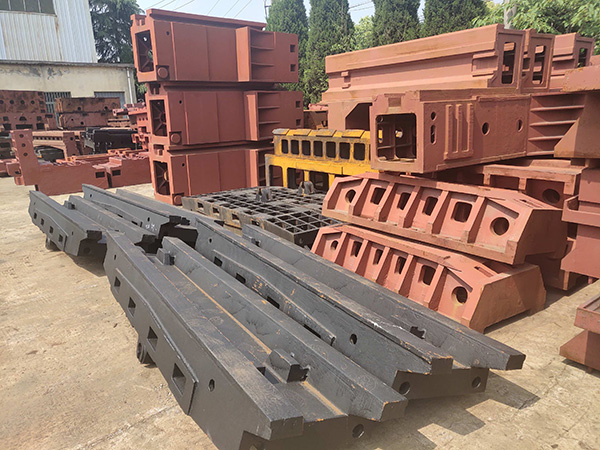
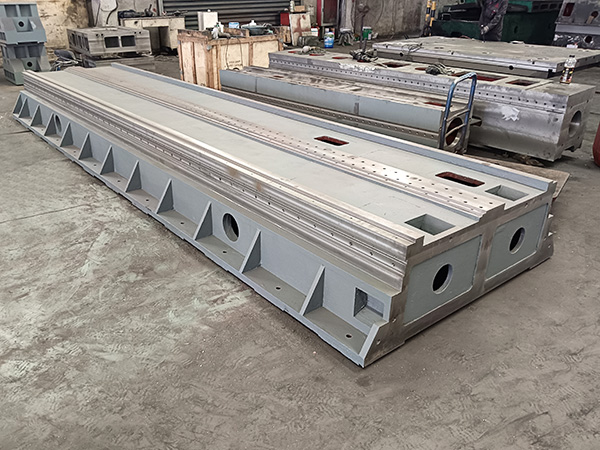
Machine Tool Castings form the backbone of modern machining equipment, providing the structural foundation for accuracy, rigidity, and vibration damping. From machining centers to lathes and milling systems, the quality of cast components directly influences performance, service life, and operational reliability.
With professional manufacturer production systems and factory batch supply, machine tool castings are engineered to meet strict mechanical and dimensional standards. However, failures can still occur due to material defects, improper production methods, environmental factors, or operational misuse. Understanding how and why these failures happen is essential for improving casting quality and ensuring stable machine performance across industrial applications.
This article analyzes the common failure types in machine tool castings and explains how controlled production and inspection processes help prevent them.
Understanding the Role of Machine Tool Castings
Machine tool castings are typically produced from gray iron, ductile iron, or special alloy cast iron. These materials are selected for their excellent vibration damping, compressive strength, and thermal stability.
In a professional factory production environment, the casting process includes melting, pouring, cooling, stress relief, rough machining, aging, and final machining. Each stage influences the final mechanical behavior of the casting.
A well-produced machine tool casting ensures:
·Structural rigidity
·Dimensional stability
·Resistance to deformation
·Long-term accuracy retention
When any part of the production chain is compromised, failure risks increase significantly.
Common Failure Modes in Machine Tool Castings
1. Cracking and Fracture
Cracks are among the most visible failures in machine tool castings. They may occur during solidification, heat treatment, machining, or service operation.
Typical causes include:
·Uneven cooling during casting
·Residual internal stress
·Poor mold design
·Overloading during use
In controlled manufacturer production, stress-relief heat treatment and natural aging reduce internal stress, lowering the probability of crack formation during service.
2. Porosity and Shrinkage Defects
Porosity occurs when gas bubbles or shrinkage cavities form inside the casting. These hidden defects reduce mechanical strength and can propagate into surface cracks after machining.
Contributing factors include:
·Improper pouring temperature
·Inadequate feeding systems
·Poor degassing control
Factory production lines use simulation, gating optimization, and controlled melting procedures to minimize porosity in machine tool castings produced in batch supply.
3. Dimensional Distortion
Distortion happens when a casting changes shape after machining or during operation. This directly affects machine accuracy and alignment.
Main causes include:
·Uneven wall thickness
·Insufficient stress relief
·Thermal variation in operation
Professional production processes include multi-stage aging and intermediate machining to stabilize the casting before final finishing, helping maintain dimensional integrity.
4. Surface Defects and Wear
Surface defects such as roughness, pits, or inclusions can lead to premature wear in guideways and mounting areas. Over time, these defects affect lubrication and motion precision.
In a factory environment, surface preparation, controlled machining, and finishing operations ensure critical surfaces of machine tool castings meet performance requirements.
5. Fatigue Failure
Repeated cyclic loads in machining operations can lead to fatigue cracks. Even strong materials can fail if stress concentrations exist.
Fatigue issues are often linked to:
·Sharp internal corners
·Inadequate design transitions
·Improper machining practices
Manufacturer engineering teams reduce fatigue risk by optimizing casting geometry and ensuring proper machining radius transitions during production.
Root Cause Analysis in Casting Failures
To improve machine tool casting reliability, failure analysis must be systematic. Typical methods include:
·Visual and microscopic inspection
·Non-destructive testing (ultrasonic, magnetic, dye penetrant)
·Chemical composition analysis
·Mechanical property testing
·Dimensional verification
In professional factory production systems, feedback from these analyses is integrated into process improvement, reducing defect recurrence in future batch production.
Preventive Measures in Manufacturer Production
Optimized Mold and Gating Design
Good mold design ensures uniform metal flow and cooling. This reduces internal stress and porosity risks in machine tool castings.
Controlled Melting and Pouring
Stable temperature control and clean melt practices prevent inclusions and gas entrapment. Manufacturer production facilities apply standardized melting procedures for consistency.
Stress Relief and Aging
Stress-relief heat treatment and natural aging stabilize the casting structure before precision machining. This is a critical step in factory processing for long-term dimensional stability.
Precision Machining and Inspection
After casting stabilization, CNC machining ensures mounting faces, guideways, and interfaces meet design tolerances. Inspection systems verify quality at each production stage.
Batch Supply Quality Control
For customers requiring multiple units, factory batch supply ensures uniformity across all machine tool castings, maintaining performance consistency for entire production lines.
Operational Factors Affecting Casting Performance
Even the best casting can fail if used improperly. Common operational risks include:
·Overloading machines
·Improper installation
·Uneven foundation support
·Poor maintenance
·Exposure to extreme temperature variation
Manufacturer guidelines typically include installation and maintenance recommendations to protect machine tool castings during service life.
Benefits of Professional Factory Production
Choosing machine tool castings from a professional manufacturer with structured production capability offers clear advantages:
·Consistent material quality
·Stable mechanical properties
·Controlled batch supply
·Long service life
·Reduced failure rates
Factory-scale production also enables traceability, technical documentation, and continuous improvement in casting performance.
Conclusion
Machine Tool Castings are the structural heart of precision machining equipment. Failures such as cracking, porosity, distortion, and fatigue can compromise accuracy, safety, and productivity if not properly controlled.
Through advanced manufacturer production systems and factory batch supply processes, these risks are minimized by optimized design, controlled melting, stress relief, precision machining, and rigorous inspection.
By understanding failure mechanisms and integrating preventive measures, industrial users can ensure their Machine Tool Castings deliver long-term stability, accuracy, and performance across modern manufacturing environments.
References
GB/T 7714:Kepczak N, Pawlowski W. Cast Iron Machine Tool Body Analysis: The Theoretical and Experimental Approach[J]. Iranian Journal of Science and Technology, Transactions of Mechanical Engineering, 2020, 44(2): 523-532.
MLA:Kepczak, Norbert, and Witold Pawlowski. "Cast Iron Machine Tool Body Analysis: The Theoretical and Experimental Approach." Iranian Journal of Science and Technology, Transactions of Mechanical Engineering 44.2 (2020): 523-532.
APA:Kepczak, N., & Pawlowski, W. (2020). Cast Iron Machine Tool Body Analysis: The Theoretical and Experimental Approach. Iranian Journal of Science and Technology, Transactions of Mechanical Engineering, 44(2), 523-532.
-
Machine Tool Casting Machining: Key to Precision and Stress Control
-
Machine Tool Castings: Key to Stress Control and Precision Machining
-
Welding Table for Workshop: How It Improves Welding Precision & Safety
-
Analyzing Failures in Machine Tool Castings
-
Tools and Techniques for Polishing Granite Platforms
-
Benefits and Applications of Non-Magnetic Cast Iron Surface Plates
Botou Bozhong Precision Machine Tool Co., Ltd.
Copyright © 2025-2026 https://www.bozhong-weldingtable.com. All Rights Reserved Botou Bozhong Precision Machine Tool Co., Ltd.Copyright