






- Navigation -
 Current Location:
NEWS DETAILS
NEWS INFORMATION
Tools and Techniques for Polishing Granite Platforms
AUTHOR:Bozhong Tool DATE:2026-01-21 21:47:37 HITS:171
Tools and Techniques for Polishing Granite Platforms
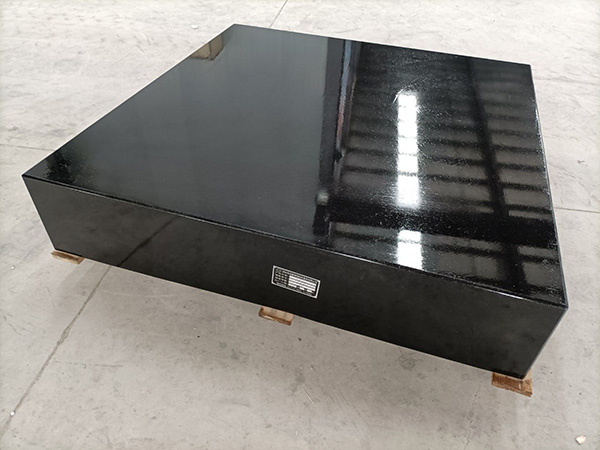
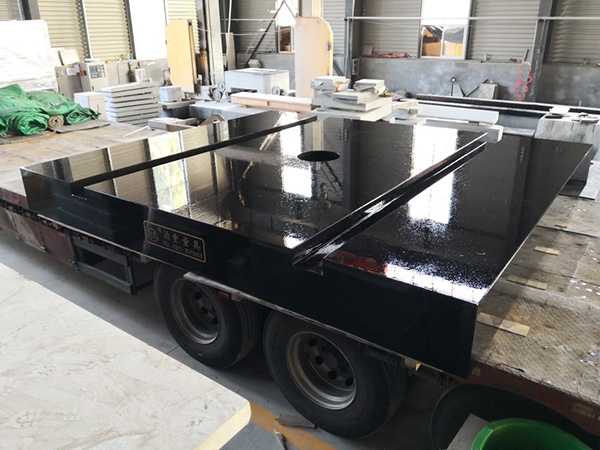
The Granite Platform is a core reference surface in precision measurement, inspection, and industrial production. Whether used in metrology laboratories, machining workshops, or assembly lines, a well-polished granite platform ensures excellent flatness, wear resistance, and long-term dimensional stability.
With modern manufacturer production systems and factory batch processing, granite platforms are no longer simple stone tables. They are engineered components that undergo strict polishing, calibration, and inspection to meet demanding industrial requirements. Proper polishing not only improves appearance, but more importantly enhances accuracy, durability, and performance throughout the service life of a granite platform.
This article explores the essential tools and professional techniques used to polish granite platforms and explains why controlled factory production plays a key role in achieving consistent quality.
Understanding the Importance of Granite Platform Polishing
Polishing a granite platform is not just about creating a smooth surface. It directly affects flatness accuracy, friction behavior, and resistance to wear. Granite is naturally hard and stable, but without proper finishing, micro-irregularities can influence measurement results.
A polished granite platform provides:
·High surface flatness
·Reduced surface friction
·Improved corrosion resistance
·Better repeatability for inspection tasks
·Longer service life in production environments
In professional manufacturer production lines, polishing is integrated with grinding and calibration processes to ensure every granite platform meets industrial standards before leaving the factory.
Essential Tools for Polishing Granite Platforms
1. Diamond Grinding Plates
Diamond grinding plates are the foundation of granite polishing. These tools remove rough material from the granite platform surface and correct shape deviations. Different grit sizes are used progressively, starting coarse for leveling and moving to fine grits for smoothing.
In factory production, CNC-controlled grinding machines equipped with diamond segments ensure uniform material removal across the entire granite platform.
2. Hand Lapping Tools
Hand lapping tools allow technicians to control localized polishing areas. They are especially useful for correcting minor surface errors after machine grinding.
Using fine abrasive compounds, skilled operators polish the granite platform manually to improve micro-flatness and surface texture. This step is common in high-accuracy manufacturer production workflows.
3. Polishing Pads and Abrasives
Polishing pads combined with abrasive powders help refine the surface further. These pads can be resin-bonded or metal-bonded depending on the desired finish.
In professional factory settings, polishing sequences use multiple stages, ensuring the granite platform transitions smoothly from grinding to mirror-like finish without introducing surface stress.
4. Precision Measuring Instruments
Polishing is meaningless without verification. Precision levels, autocollimators, straight edges, and electronic probes are used to measure flatness after each stage.
Manufacturer production facilities integrate real-time measurement to ensure the granite platform remains within specified tolerance during polishing.
5. Cleaning and Surface Protection Tools
Before final inspection, the granite platform must be thoroughly cleaned. Dust, slurry, and residue can distort results. Vacuum systems, microfiber cloths, and neutral cleaners are essential tools in factory polishing environments.
Professional Techniques for Granite Platform Polishing
Step 1: Surface Assessment
Every polishing process starts with inspection. The granite platform is checked for chips, warping, or unevenness. This determines the grinding depth and polishing sequence.
In large-scale factory production, automated scanning systems often perform this step for batch supply efficiency.
Step 2: Coarse Grinding
Coarse diamond abrasives are used to remove surface defects and restore flatness. This stage corrects major deviations and prepares the granite platform for fine finishing.
Consistent pressure and motion are critical to avoid introducing new errors. Manufacturer-level production ensures this step is standardized for stable output.
Step 3: Progressive Refinement
After coarse grinding, medium and fine abrasives gradually smooth the surface. Each grit stage removes marks from the previous one.
This controlled sequence improves the granite platform’s surface texture and prepares it for precision lapping.
Step 4: Precision Lapping
Lapping focuses on micro-flatness. Using fine abrasive slurry and controlled motion, technicians refine the granite platform surface to achieve extremely low deviation.
Factory production teams often combine manual skill with automated systems for consistency across batch production.
Step 5: Final Polishing
Final polishing creates the working surface finish. It improves wear resistance and reduces friction between gauges, parts, and the granite platform.
This stage ensures the platform performs reliably under repeated industrial use.
Step 6: Calibration and Quality Control
Once polished, the granite platform is calibrated. Flatness, parallelism, and surface integrity are verified.
Professional manufacturer production includes documented inspection records, ensuring factory batch supply meets technical and industrial standards.
Role of Manufacturer and Factory Production
High-quality granite platforms depend heavily on controlled production environments. A professional manufacturer production system guarantees consistency, traceability, and scalability.
Key advantages of factory production include:
·Stable batch supply
·Standardized polishing processes
·Advanced machining equipment
·Skilled technical teams
·Integrated inspection and calibration
Through structured factory processing, every granite platform achieves uniform performance whether delivered individually or in bulk orders.
This approach is especially valuable for industrial clients requiring multiple platforms for production lines, laboratories, or automated inspection systems.
Common Applications of Polished Granite Platforms
A properly polished granite platform supports a wide range of industrial tasks:
·Precision inspection and measurement
·Machining setup and alignment
·Tool calibration
·Assembly operations
·Quality control processes
·Educational and research use
The surface quality achieved through professional polishing directly affects measurement reliability and operational efficiency.
Maintenance Tips for Long-Term Performance
Even after professional polishing, routine maintenance keeps a granite platform performing well:
·Clean regularly with neutral solutions
·Avoid concentrated loads
·Protect edges from impact
·Re-calibrate periodically
·Store in stable temperature environments
Manufacturer guidance often includes maintenance recommendations to extend the service life of factory-produced granite platforms.
Conclusion
The Granite Platform is more than a simple working surface. It is a precision reference tool whose performance depends heavily on proper polishing, controlled tools, and professional techniques.
By using advanced polishing tools, progressive refinement methods, and strict calibration procedures, modern manufacturer production and factory batch supply systems deliver granite platforms with exceptional flatness, durability, and stability.
Whether used for inspection, machining, or assembly, investing in a well-polished Granite Platform ensures long-term accuracy, efficiency, and reliability across industrial and measurement applications.
References
GB/T 7714:de Bruin W, Meijer J. Analysis of flatness measurement and form stability of a granite surface plate[J]. CIRP annals: manufacturing technology, 1980, 29(16): 385-390.
MLA:de Bruin, W., and J. Meijer. "Analysis of flatness measurement and form stability of a granite surface plate." CIRP annals: manufacturing technology 29.16 (1980): 385-390.
APA:de Bruin, W., & Meijer, J. (1980). Analysis of flatness measurement and form stability of a granite surface plate. CIRP annals: manufacturing technology, 29(16), 385-390.
-
Tools and Techniques for Polishing Granite Platforms
-
Benefits and Applications of Non-Magnetic Cast Iron Surface Plates
-
Improve Visibility with LED Lighting for Welding Tables
-
Implementing Just-In-Time Production for Machine Tool Castings
-
Stringent Requirements for Granite Platforms in the Aerospace Industry
-
Safe Stacking and Storage Tips for Cast Iron Surface Plates
Botou Bozhong Precision Machine Tool Co., Ltd.
Copyright © 2025-2026 https://www.bozhong-weldingtable.com. All Rights Reserved Botou Bozhong Precision Machine Tool Co., Ltd.Copyright