






- Navigation -
 Current Location:
NEWS DETAILS
NEWS INFORMATION
Benefits and Applications of Non-Magnetic Cast Iron Surface Plates
AUTHOR:Bozhong Tool DATE:2026-01-20 21:42:58 HITS:65
Benefits and Applications of Non-Magnetic Cast Iron Surface Plates
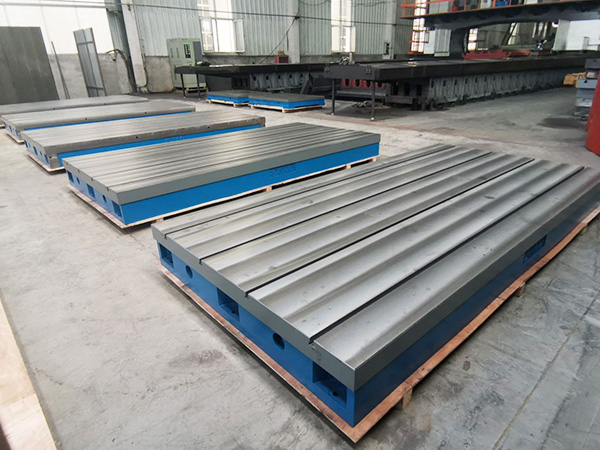
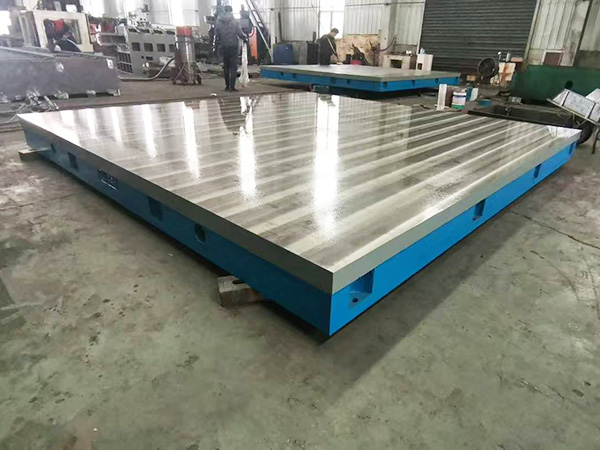
In modern precision engineering and industrial measurement, the Cast Iron Surface Plate plays a critical role in maintaining accuracy, stability, and repeatability. As a fundamental reference tool, non-magnetic cast iron surface plates are widely used for inspection, layout, and calibration tasks across multiple industries. With professional manufacturer-level production and factory batch supply, these plates deliver consistent quality and long-term performance for workshops and large-scale production environments.
Unlike ordinary working tables, a non-magnetic cast iron surface plate offers superior flatness, vibration damping, and thermal stability. These advantages make it an indispensable component in machining, tooling, and metrology operations.
What Is a Non-Magnetic Cast Iron Surface Plate?
A non-magnetic cast iron surface plate is a precision-ground reference platform made from high-quality cast iron materials specially treated to eliminate magnetic interference. Unlike granite alternatives, cast iron provides excellent rigidity and shock absorption, making it ideal for environments where heavy tools and components are frequently used.
Through advanced production processes in a professional factory environment, the casting is aged, stress-relieved, and finely lapped to achieve high flatness accuracy. This ensures each Cast Iron Surface Plate maintains its shape even under long-term load and temperature variation.
The non-magnetic feature prevents measurement errors caused by magnetic attraction between metal parts and the plate surface, ensuring reliable inspection results.
Key Benefits of Cast Iron Surface Plates
1. Excellent Stability and Rigidity
Cast iron naturally absorbs vibration better than many other materials. This property helps maintain measurement precision, especially in machining and quality inspection rooms. The rigidity ensures that the surface does not deform easily under heavy workpieces.
2. Long Service Life
Through proper aging and machining, a Cast Iron Surface Plate provides outstanding durability. Even after years of industrial use, the surface remains reliable and easy to recondition, reducing long-term replacement costs.
3. Superior Flatness Accuracy
Precision lapping ensures micron-level flatness. This makes the plate suitable for calibration, layout marking, and component inspection where even slight deviations matter.
4. Non-Magnetic Safety
The non-magnetic structure avoids interference with steel parts, gauges, and instruments. This improves repeatability and minimizes accidental movement of parts during measurement.
5. Easy Maintenance
Compared with other materials, cast iron plates can be scraped, re-lapped, and restored by professionals, extending usability without full replacement.
Manufacturing Process and Factory Production
The quality of a Cast Iron Surface Plate depends heavily on its manufacturing method. A professional manufacturer and factory production line follows several strict steps:
·High-grade cast iron selection
·Controlled casting and natural aging
·Stress relief heat treatment
·CNC machining and grinding
·Precision hand scraping
·Final inspection and calibration
Through organized factory batch production, consistency is guaranteed for large orders. This ensures each surface plate meets industrial standards for flatness and structural stability. Reliable manufacturer production capability also allows customization of sizes, thicknesses, and load capacities for different industrial needs.
Such controlled production environments make cast iron plates suitable for global industrial applications, workshops, and automated inspection systems.
Main Applications of Non-Magnetic Cast Iron Surface Plates
Precision Inspection
Used as a reference plane for measuring flatness, squareness, and parallelism of parts. Ideal for quality control departments and metrology labs.
Machining and Layout Work
Machinists rely on the plate for marking, alignment, and setup operations before processing components.
Tooling and Fixture Setup
A Cast Iron Surface Plate supports fixtures, gauges, and measuring instruments during assembly and calibration tasks.
Assembly and Testing
Used as a stable platform for assembling precision machinery and testing components under controlled conditions.
Educational and Research Use
Engineering schools and research labs use surface plates for teaching measurement techniques and conducting experiments.
Why Choose Cast Iron Over Other Materials?
While granite is popular, cast iron offers advantages for industrial environments:
·Better vibration damping
·Higher load capacity
·Easier repair and reconditioning
·Stronger resistance to impact
·Longer usable life in workshops
With modern manufacturer-level production and factory quality control, cast iron plates now reach extremely high precision standards comparable to alternative materials.
This makes the Cast Iron Surface Plate especially suitable for heavy-duty industrial and production line applications.
Selecting the Right Cast Iron Surface Plate
When choosing a surface plate, consider:
·Required accuracy grade
·Size and thickness
·Load capacity
·Environmental conditions
·Frequency of use
Working with a professional factory production supplier ensures proper technical support, stable batch supply, and long-term availability. Reliable manufacturers can also provide calibration services and technical documentation.
Conclusion
The Cast Iron Surface Plate remains one of the most reliable and versatile tools in precision engineering. Its non-magnetic properties, excellent rigidity, vibration damping, and long service life make it essential for inspection, machining, assembly, and calibration tasks.
With professional manufacturer production systems and factory batch supply capability, modern cast iron surface plates meet the demands of high-precision industries worldwide. Whether for workshops, laboratories, or automated production lines, investing in a high-quality Cast Iron Surface Plate ensures accuracy, stability, and long-term performance for every industrial application.
References
GB/T 7714:El Melegy A, Zahwi S. Recommendations for Acceptance Protocol for Flatness of Surface Plates[J]. 2024.
MLA:El Melegy, Ahmed, and Sarwat Zahwi. "Recommendations for Acceptance Protocol for Flatness of Surface Plates." (2024): 661.
APA:El Melegy, A., & Zahwi, S. (2024). Recommendations for Acceptance Protocol for Flatness of Surface Plates.
-
Benefits and Applications of Non-Magnetic Cast Iron Surface Plates
-
Improve Visibility with LED Lighting for Welding Tables
-
Implementing Just-In-Time Production for Machine Tool Castings
-
Stringent Requirements for Granite Platforms in the Aerospace Industry
-
Safe Stacking and Storage Tips for Cast Iron Surface Plates
-
Understanding Welding Table Weight Capacity: Key Information
Botou Bozhong Precision Machine Tool Co., Ltd.
Copyright © 2025-2026 https://www.bozhong-weldingtable.com. All Rights Reserved Botou Bozhong Precision Machine Tool Co., Ltd.Copyright