






- Navigation -
 Current Location:
NEWS DETAILS
NEWS INFORMATION
Safe Stacking and Storage Tips for Cast Iron Surface Plates
AUTHOR:Bozhong Tool DATE:2026-01-16 16:49:54 HITS:97
Why Proper Storage Matters for Cast Iron Surface Plates
A Cast Iron Surface Plate is a precision reference tool widely used in inspection, layout, and machining environments. While much attention is given to manufacturing accuracy and flatness, improper stacking and storage can quickly compromise performance, even for high-quality plates.
From the perspective of a professional cast iron surface plate manufacturer with stable production capacity, storage safety is considered part of the product’s lifecycle. Whether plates are stored in a factory warehouse, inspection room, or production facility, correct handling methods help preserve accuracy, prevent damage, and extend service life—especially when plates are supplied in bulk.
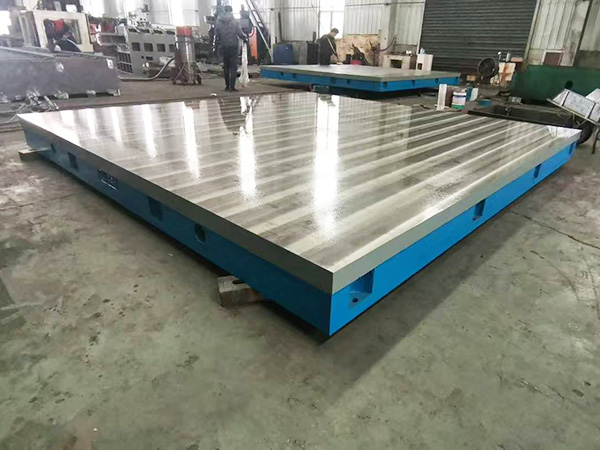
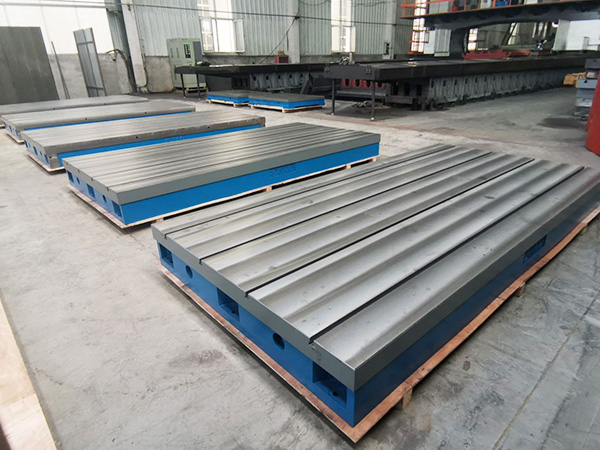
Cast iron surface plates are heavy, rigid components designed for stability. Their weight provides vibration resistance and structural integrity, but it also introduces risks during stacking and storage.
Key characteristics include:
·High mass relative to size
·Rigid ribbed structures on the underside
·Precision-machined working surfaces
Because of these features, improper load distribution during storage can lead to distortion, cracking, or edge damage over time.
Should Cast Iron Surface Plates Be Stacked?
In controlled environments, stacking is possible, but it must be done correctly. From a factory production standpoint, stacking is usually limited to short-term storage and relies on standardized procedures.
Improper stacking is one of the most common causes of:
·Loss of flatness
·Stress concentration
·Surface chipping
Professional manufacturers typically recommend minimal stacking unless proper spacers and load controls are used.
Key Rules for Safe Stacking of Cast Iron Surface Plates
1. Always Use Proper Spacers
Spacers should be placed between plates to prevent direct surface contact. These spacers must be:
·Uniform in height
·Made from stable materials
·Positioned at structural support points
This method ensures load transfer occurs through reinforced areas rather than precision surfaces.
2. Limit Stack Height
Even in factory environments, stack height is carefully controlled. Excessive stacking increases compressive stress and raises the risk of deformation.
For bulk production and storage, manufacturers typically define maximum stacking limits based on plate size and weight to ensure long-term dimensional stability.
3. Align Support Points Correctly
Cast iron surface plates often feature ribbed support structures underneath. When stacking, spacers should align with these ribs to distribute weight evenly.
Misaligned support points can introduce bending forces that compromise flatness over time.
Ideal Storage Conditions for Cast Iron Surface Plates
Temperature and Humidity Control
Cast iron is sensitive to environmental conditions. Storage areas should maintain:
·Stable temperature
·Low humidity levels
This reduces the risk of corrosion and minimizes thermal expansion effects that could influence accuracy.
Flat and Stable Flooring
Plates should always rest on flat, rigid surfaces. Uneven floors introduce torsional stress, especially for large plates stored for extended periods.
Manufacturers with dedicated factory storage areas often use reinforced racks or engineered pallets designed specifically for cast iron surface plates.
Long-Term Storage vs Short-Term Storage
Short-Term Storage
Short-term storage, such as during production scheduling or inspection staging, allows for more flexibility. Plates may remain stacked briefly, provided spacers and load limits are respected.
Long-Term Storage
For long-term storage, especially in warehouses handling bulk production, it is generally recommended to:
·Store plates individually
·Use dedicated stands or racks
·Apply protective coatings to working surfaces
This approach minimizes cumulative stress and surface degradation.
Handling and Moving Surface Plates Safely
Storage safety also depends on proper handling. During loading and unloading:
·Use rated lifting equipment
·Avoid dragging or sliding plates
·Lift from designated points only
Factory-level production facilities train operators specifically for handling heavy cast iron components to prevent accidental damage.
Common Storage Mistakes to Avoid
Some frequent issues observed in non-professional storage environments include:
·Stacking plates without spacers
·Resting plates on uneven supports
·Storing plates in damp conditions
·Allowing direct contact between working surfaces
Avoiding these mistakes significantly improves service life and maintains measurement accuracy.
Manufacturer Storage Guidelines and Quality Assurance
Reliable manufacturers integrate storage recommendations into their production and quality assurance systems. Before bulk shipment, plates are often:
·Inspected for surface condition
·Properly protected for transport and storage
·Supplied with handling and stacking guidelines
This ensures that cast iron surface plates maintain their performance from factory production to end use.
Conclusion: Storage as Part of Precision Management
Safe stacking and storage are essential aspects of maintaining the accuracy and longevity of a Cast Iron Surface Plate. Proper spacers, controlled stack height, stable environments, and careful handling all contribute to preserving flatness and structural integrity.
For industrial users sourcing cast iron surface plates in volume, working with a manufacturer that emphasizes controlled production, standardized factory storage, and bulk supply management helps ensure consistent quality over time. As precision requirements continue to rise, correct storage practices will remain a critical part of surface plate performance management.
References
GB/T 7714:Doebelin E O, Manik D N. Measurement systems: application and design[J]. 2007.
MLA:Doebelin, Ernest O., and Dhanesh N. Manik. "Measurement systems: application and design." (2007).
APA:Doebelin, E. O., & Manik, D. N. (2007). Measurement systems: application and design.
-
Safe Stacking and Storage Tips for Cast Iron Surface Plates
-
Understanding Welding Table Weight Capacity: Key Information
-
Testing Methods for Machine Tool Castings Materials
-
How to Troubleshoot Measurement Errors on Granite Platforms
-
Applying Vibratory Finishing to Cast Iron Surface Plates
-
Achieving Perfect Leveling for Your Welding Table
Botou Bozhong Precision Machine Tool Co., Ltd.
Copyright © 2025-2026 https://www.bozhong-weldingtable.com. All Rights Reserved Botou Bozhong Precision Machine Tool Co., Ltd.Copyright